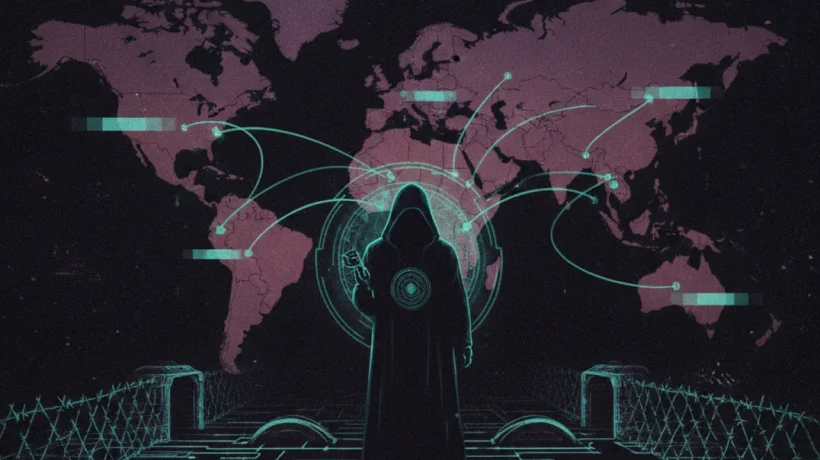

An undetectable VPN uses obfuscation to make VPN traffic look like regular HTTPS web browsing. Standard VPN protocols produce recognizable traffic patterns that Deep Packet Inspection (DPI) systems block. Obfuscated VPNs scramble these patterns so the connection passes through as ordinary web traffic.
Why People Search for Undetectable VPNs
The search for undetectable VPNs comes from several different situations. Students and workers at institutions that block VPN connections need obfuscation to use privacy tools on those networks. Travelers to countries with internet restrictions need obfuscation to access blocked services. Streaming subscribers need obfuscation because streaming services actively detect and block VPN IP addresses. People in the UK, USA, Canada, and Australia sometimes need obfuscation on ISPs that throttle VPN traffic during peak hours.
Obfuscation Methods Compared
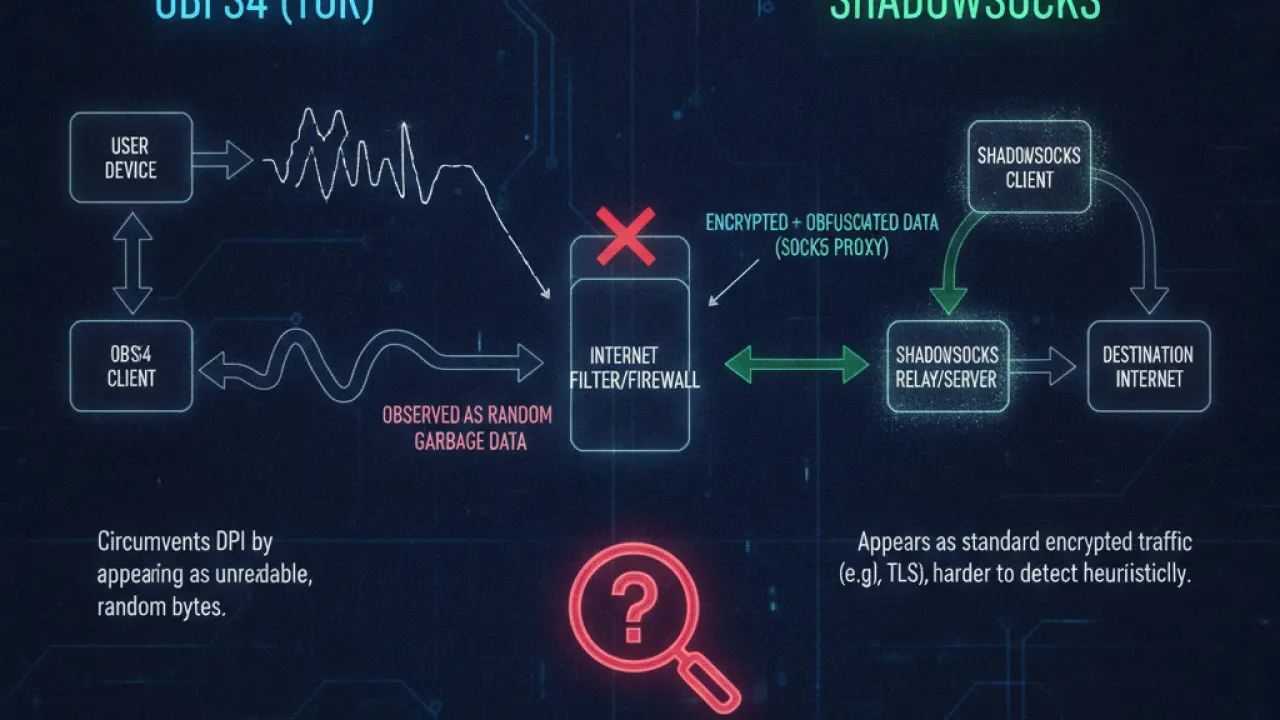
Shadowsocks: Originally designed to bypass China’s Great Firewall, Shadowsocks is now the most widely deployed obfuscation protocol. It creates a proxy connection that looks like HTTPS. Available in Mullvad, NordVPN, and others. Highly effective against most DPI systems.
Obfs4: Developed by the Tor Project, Obfs4 transforms traffic to remove all recognizable patterns completely. More technically thorough than Shadowsocks but sometimes slower. Used by Tor itself and integrated into some privacy-focused VPNs.
V2Ray/VLESS: More recent protocols that can mimic legitimate web application traffic convincingly. Used primarily in Asia where DPI is most sophisticated. Growing adoption in commercial VPNs.
DAITA (Mullvad): Adds random padding and dummy traffic to packets. Specifically designed to defeat machine-learning-based traffic classifiers that can identify VPN patterns even when the content is encrypted.
Speed Impact of Obfuscation
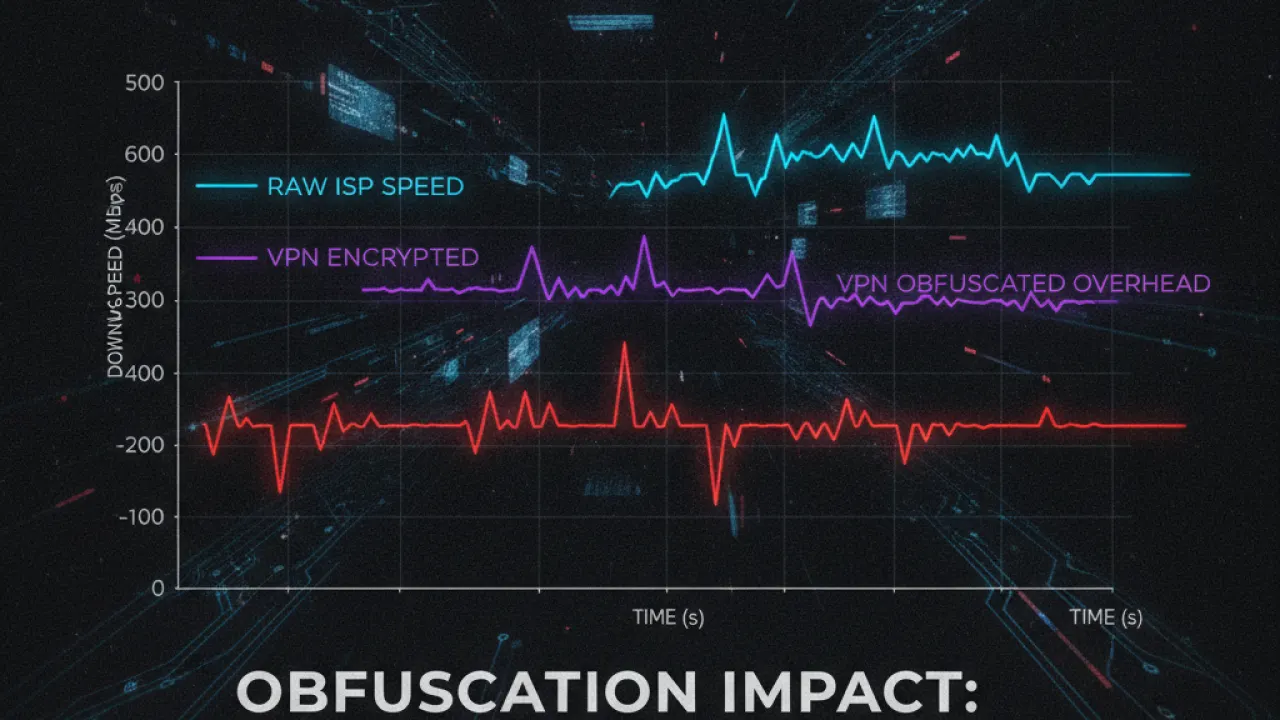
Obfuscation adds computational overhead and slightly increases latency. On fast connections (100 Mbps+), the impact is usually under 10-15% and not noticeable in daily use. On slower connections or at longer distances, the overhead matters more. Speed tests on obfuscated connections typically show 10-20% slower download speeds compared to the same VPN on a standard WireGuard connection.
Most VPN apps let you enable obfuscation only when needed. Leaving it off for everyday home use keeps speeds optimal. Enable it when connecting from a restrictive network.
The Four Best VPNs With Working Obfuscation in 2026

1. Mullvad VPN: DAITA plus Shadowsocks provides the most technically comprehensive obfuscation available in a consumer VPN. DAITA defeats AI-based traffic analysis. Shadowsocks defeats DPI. Anonymous account creation (no email required) makes Mullvad the strongest overall privacy tool. Full review at our Mullvad VPN comparison.
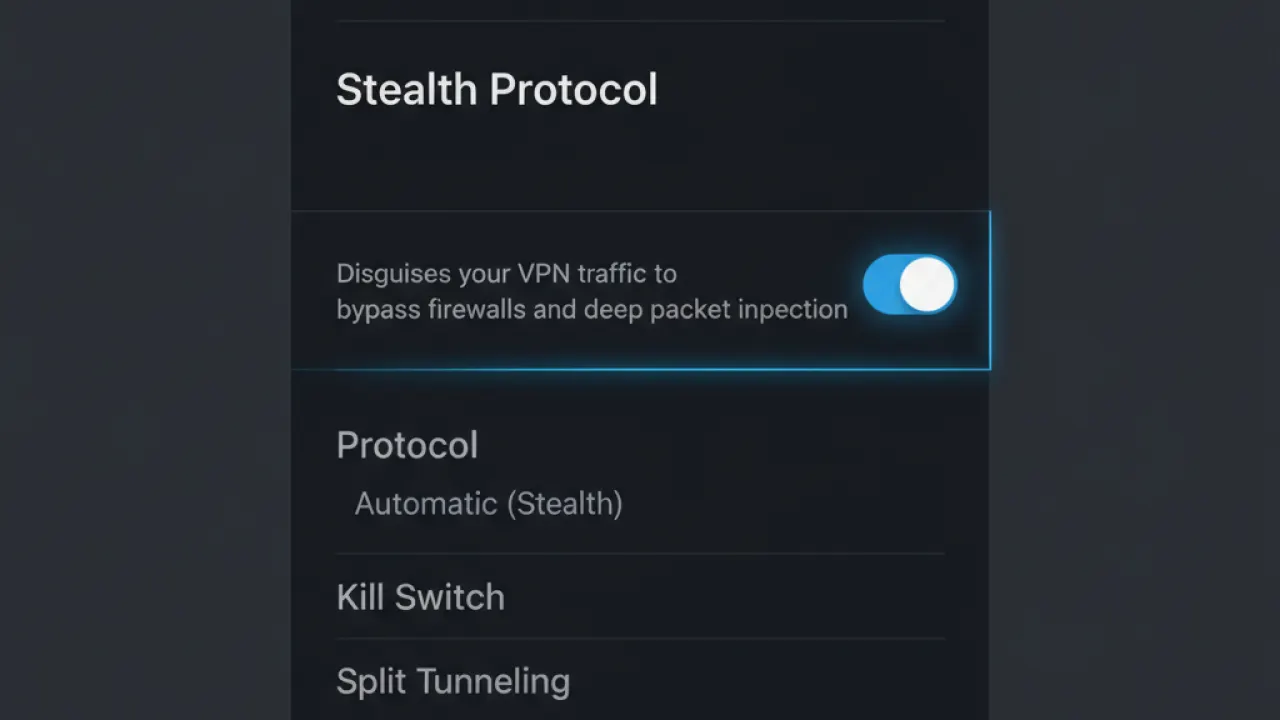
2. ProtonVPN Stealth: Wraps WireGuard traffic in an obfuscation layer. Available on all Proton plans including the free tier with speed limits. For users who want obfuscation without paying extra, Proton’s free plan is the only option.
3. ExpressVPN Lightway: Obfuscation activates automatically when the app detects that a network is blocking VPN connections. The hands-off approach means most users never think about it — it just works when needed.
4. NordVPN Obfuscated Servers: Switch to OpenVPN protocol and enable obfuscated servers. Works reliably on most corporate and university networks. The OpenVPN requirement means slightly slower speeds than WireGuard, but the obfuscation compatibility is good.
VPN Jurisdiction and Trust
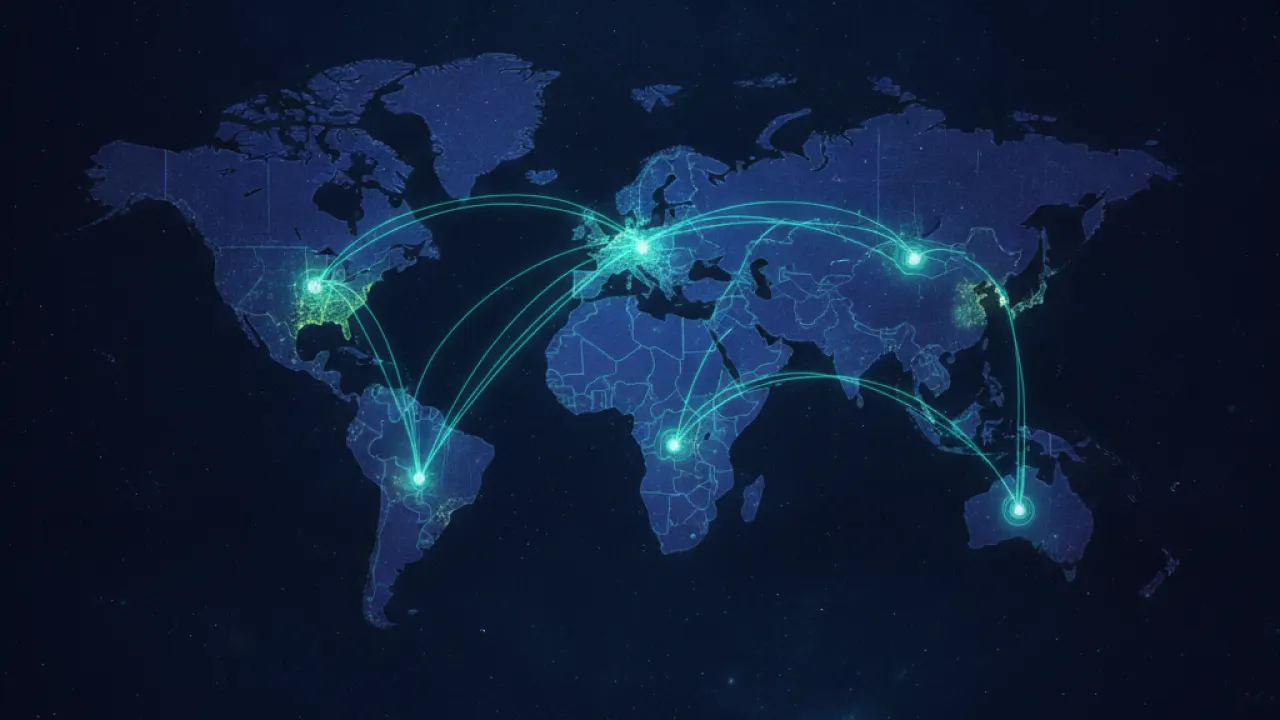
For obfuscated VPN users in sensitive situations, jurisdiction matters. Mullvad (Sweden) and ProtonVPN (Switzerland) are outside the UK and USA’s primary enforcement jurisdictions while still being in stable, rule-of-law countries. NordVPN is based in Panama. ExpressVPN operates through the British Virgin Islands. No jurisdiction eliminates risk entirely, but choosing a provider outside the Five Eyes alliance (USA, UK, Canada, Australia, New Zealand) reduces the scope of what intelligence sharing can reveal.
For most users in tier-1 countries using a VPN for streaming, school networks, or general privacy, jurisdiction matters less than obfuscation quality and the provider’s no-logs policy. Our guide to basic cybersecurity tips explains where VPNs fit in a complete security approach.
Which obfuscation method is your VPN using, and has it worked reliably on the networks you need it for? Share your setup and use case in the comments.