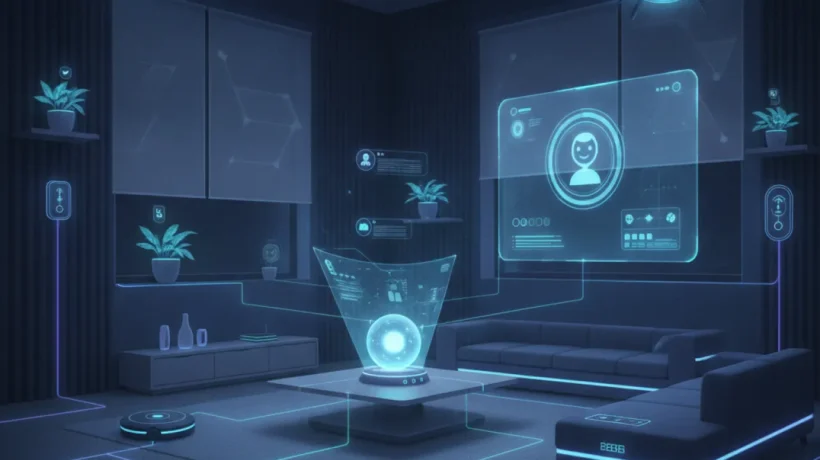

Smart home technology has moved past novelty in 2026. For millions of households in the USA, UK, Canada, and Australia, connected devices are now a practical part of daily life that saves time, reduces energy bills, and changes what it feels like to live in a home. Here’s what’s actually changed and what to expect when you bring smart technology into your home.
What “Smart Home” Actually Means in 2026
A smart home is a home where devices communicate with each other and can be controlled remotely or automatically. The basic components are:
- A central hub or smart speaker (Google Home, Amazon Alexa, Apple HomeKit) that coordinates devices.
- Connected devices: lights, locks, thermostats, cameras, appliances, and sensors.
- A smartphone app or voice commands to control everything.
- Automations: rules that trigger actions based on time, location, or events.
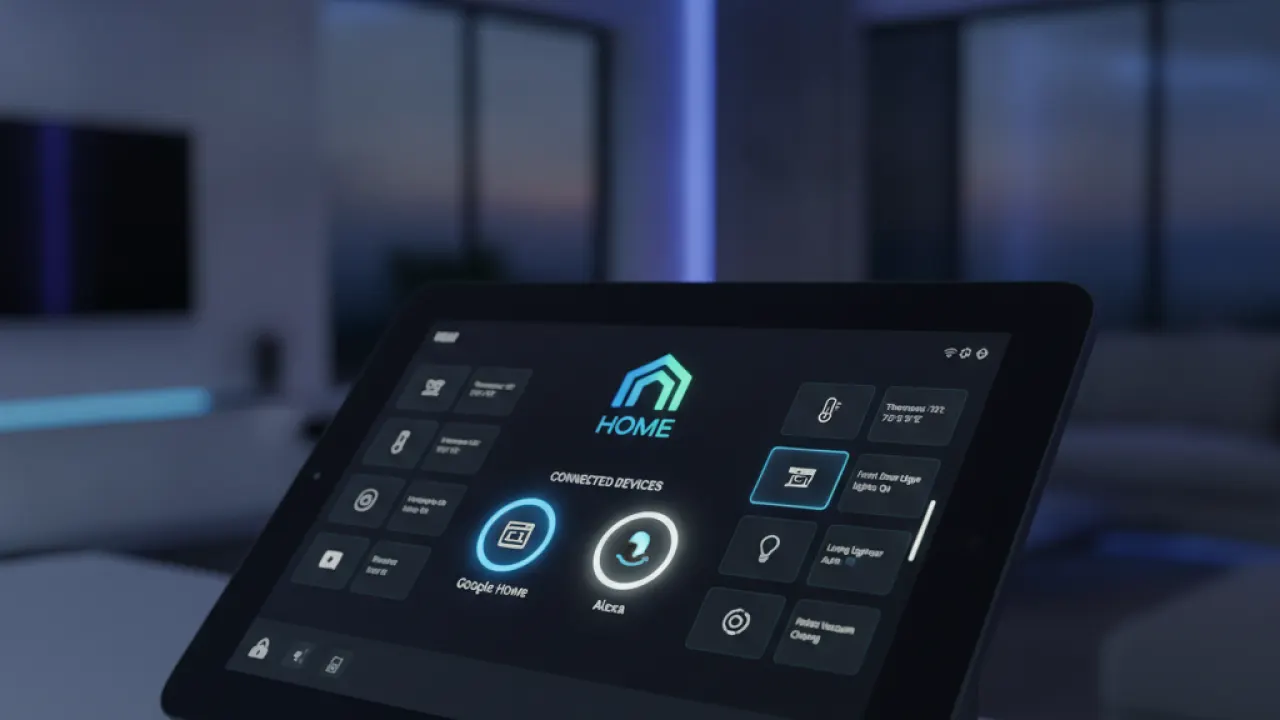
The key development in 2026 is the Matter standard, which makes devices from different manufacturers work together without needing separate apps. A light bulb from one company, a thermostat from another, and a security camera from a third can all appear in the same interface and trigger each other’s actions.
How Smart Homes Are Changing Energy Bills
Smart thermostats are the clearest example of technology that pays for itself. The Google Nest and Ecobee thermostats learn your schedule over the first few weeks and adjust heating and cooling automatically. They turn down when you leave, warm up before you return, and stop heating empty rooms.
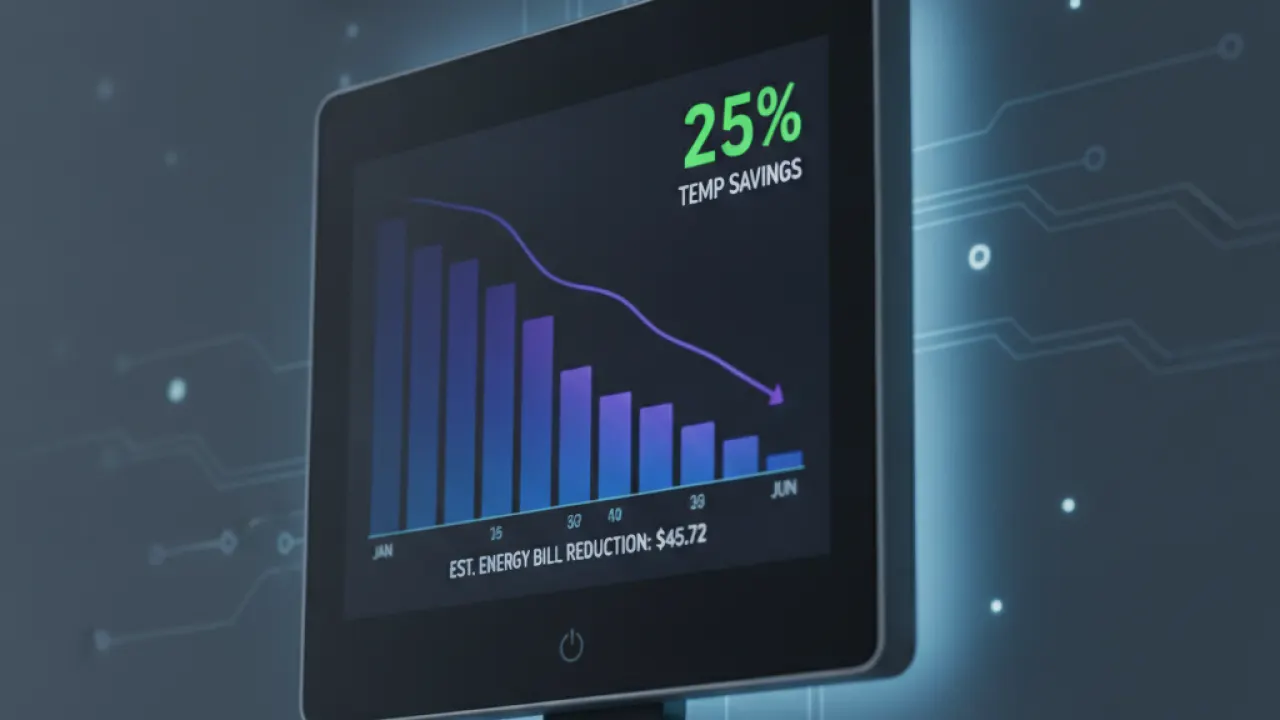
Studies from energy companies in the UK and USA consistently show 15-20% reductions in heating and cooling bills after smart thermostat installation. At UK energy prices in 2026, that’s often £150-300 per year saved for a typical household. A £100 thermostat pays for itself in the first year and continues saving after that.
Smart plugs with energy monitoring go further. You can see exactly how much electricity each appliance uses, identify the ones you could turn off more often, and set schedules so devices don’t run overnight unnecessarily.
Smart lighting matters less for bills (LEDs already use very little energy) but more for convenience. Lights that turn off automatically when you leave a room eliminate the “did I leave the kitchen light on?” question entirely.
How Smart Home Security Is Changing
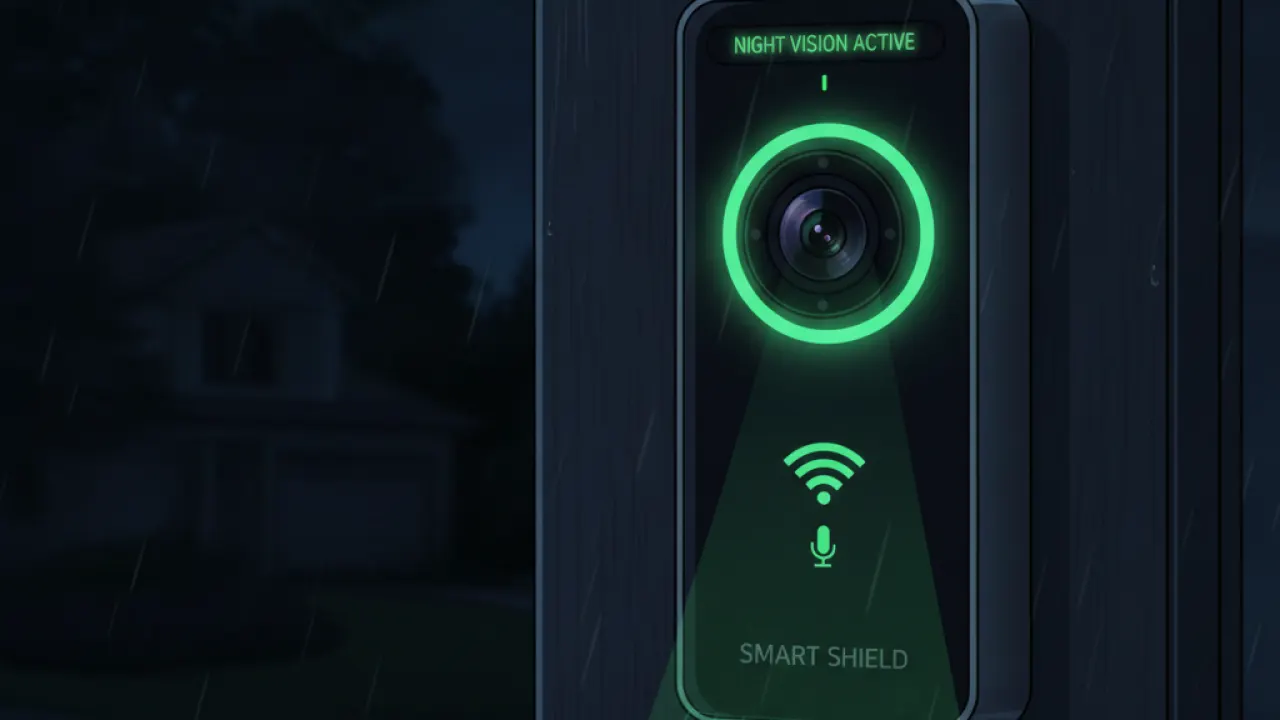
Video doorbells (Ring, Nest, Arlo) have become standard in new homes across the USA, UK, Canada, and Australia. They do several things traditional doorbells cannot:
- Show you who’s at the door on your phone regardless of where you are in the world.
- Let you speak to delivery people and tell them where to leave a package.
- Record video when motion is detected, with that footage accessible for days or weeks.
- Trigger other smart home devices: turn on exterior lights when someone approaches, for example.
Smart locks remove the need for physical keys. You let in a house cleaner using a temporary code that expires after their visit. You get a notification when your child arrives home from school. You never worry about lost keys again. Remote unlocking via app handles the “I forgot and my keys are inside” situation.
The same security ecosystem can include indoor cameras, glass break sensors, motion detectors, and smoke detectors that send alerts to your phone and to monitoring services. The monitoring was previously the expensive part (professional installation + monthly fees). Modern smart security systems often need neither.
How Smart Homes Are Helping Elderly and Disabled People
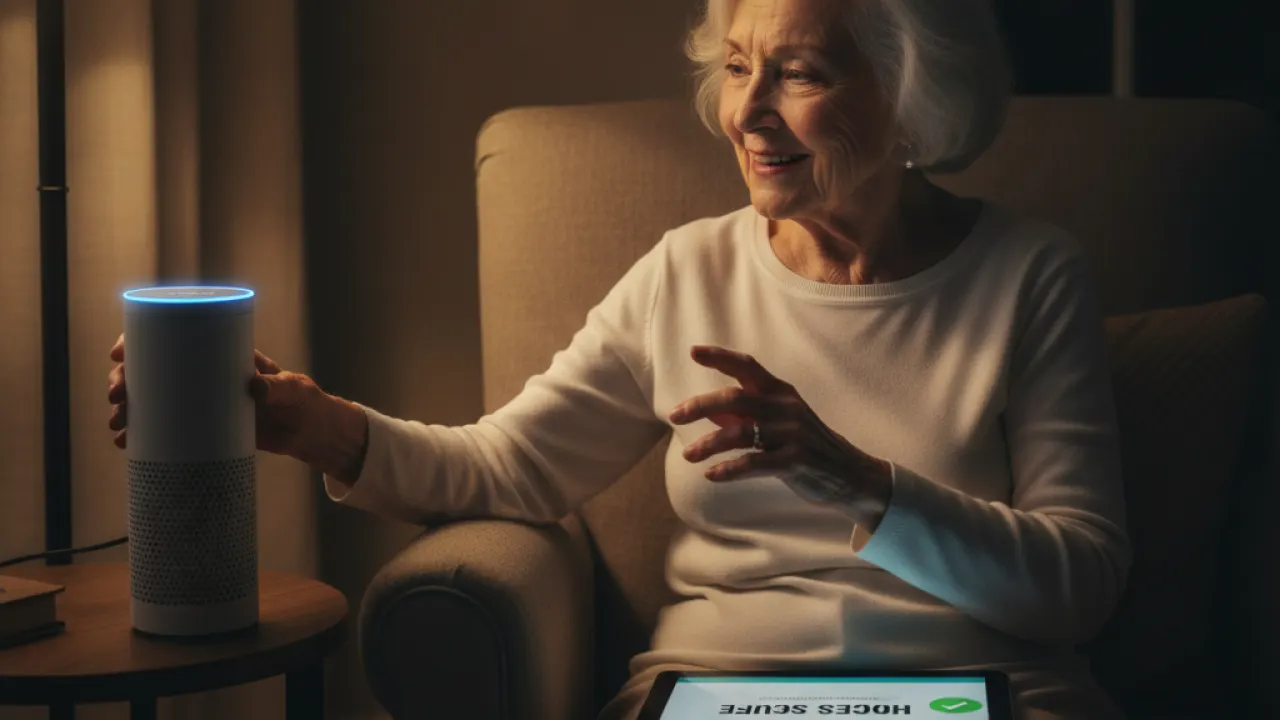
This is perhaps the most meaningful impact of smart home technology that gets the least coverage. For elderly people who live alone, or for people with mobility or health conditions, smart home technology enables a level of independence that wasn’t previously possible.
- Voice-controlled lighting means no need to walk to a switch in a dark room.
- Smart locks mean doors can be opened without gripping or turning mechanisms that arthritis makes painful.
- Voice assistants can call family, play music, set medication reminders, and answer questions without navigating a phone screen.
- Activity sensors can notify family members if normal patterns change, such as someone who always makes coffee at 8am but hasn’t moved by 10am.
- Video doorbells allow elderly people to see and speak to visitors without going to the door.
For adult children managing the care of aging parents, smart home monitoring provides peace of mind without being intrusive. Presence sensors that check whether someone has moved in the morning replace the need for daily check-in calls that some elderly people find patronizing.
Practical Smart Home Automations That Save Time
The power of smart homes isn’t individual smart devices. It’s the automations that connect them. Examples of automations that people actually use daily:
- Morning routine: Phone alarm triggers lights to 20% brightness, thermostat to wake temperature, and coffee maker to start.
- Leaving home: When everyone’s phone leaves the geofenced home zone, all lights turn off, thermostat goes to away mode, and smart locks engage.
- Arriving home: Front light turns on at sunset when a family member’s phone enters the geofenced zone.
- Bedtime: One “goodnight” voice command turns off all lights, locks all doors, and sets the thermostat to night mode.
- Guest mode: A temporary Wi-Fi password and door code activate for a specific time window for a house cleaner or repair person.
These automations collectively eliminate dozens of small tasks and decisions throughout the day. The cumulative effect is a home that feels more responsive and easier to manage.
The Privacy and Security Trade-offs
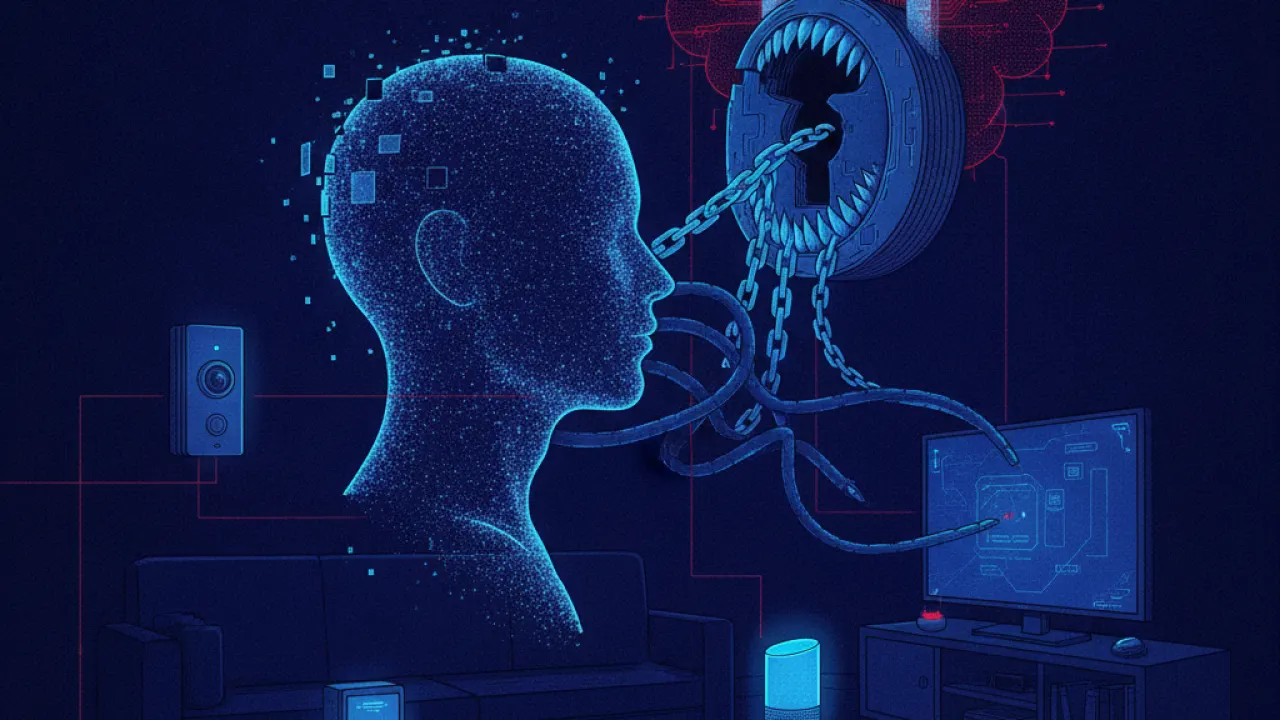
Smart home devices collect data. Smart speakers have microphones that listen for wake words. Security cameras capture footage. Smart TVs track viewing habits. Thermostats learn your schedule. This data goes somewhere, and it’s worth understanding where.
Most major smart home platforms (Google, Amazon, Apple) are transparent about data collection in their privacy policies. The practical risks for most home users are lower than the theoretical ones. But the risks are real:
- Poorly secured devices can be accessed remotely by attackers. The most common entry point is weak or default passwords on routers and the devices themselves.
- Device manufacturers can change their privacy policies. A device that doesn’t share data today might start sharing after an acquisition.
- Cloud-dependent devices stop working if the manufacturer shuts down the service.
The mitigations are straightforward: change default passwords on every device, use a separate guest network for IoT devices (keeps them isolated from your main devices), and choose devices from established manufacturers with clear privacy policies. Combining smart home devices with a DNS blocker like the one described in our Pi-hole vs AdGuard Home guide reduces tracking from smart devices across your network. Our guide to basic cybersecurity tips covers how to secure smart home devices properly.
What Does a Smart Home Cost to Set Up?
Entry-level smart home setup for a typical UK or USA household in 2026:
- Smart speaker (Amazon Echo Dot or Google Nest Mini): £25-35
- 3-4 smart bulbs (Philips Hue, IKEA Tradfri): £30-60
- Smart plug: £10-15
- Video doorbell: £70-150
- Smart thermostat: £100-200
A functional, well-integrated smart home costs £300-500 to set up. The thermostat pays back £150-300 per year. Other devices provide convenience and security that’s harder to put a number on.
The Matter standard means you don’t need to commit to a single ecosystem. Devices from different manufacturers work together, so you can add to your setup gradually without starting over.
For the best connected devices at reasonable prices, our best smartphones guide covers the phones that work best as smart home controllers, with their NFC, companion apps, and integration quality considered.
What’s Coming Next in Smart Home Technology
The near-term future of smart homes focuses on AI integration. Instead of setting explicit automations, homes will learn your preferences and adjust automatically. Your thermostat won’t just follow a schedule. It’ll notice that you always feel cold on Tuesday evenings after you come back from swimming and adjust accordingly.
Matter 1.3 and future versions will extend device compatibility, making it easier to mix manufacturers without compatibility headaches. Energy management will improve, with smart homes coordinating device use during off-peak electricity hours and integrating with EV charging to minimize costs.
What aspect of smart home technology are you most interested in, or what’s already made the biggest difference in your home? Leave a comment with your setup and what you’d add or change.