

Agentic AI is an AI system that takes sequences of actions to complete a task, rather than responding to a single prompt. Instead of generating one answer and waiting for you to act on it, an agentic AI uses tools, makes decisions, executes steps, and continues until the task is done or it needs your input. The word “agentic” comes from “agent” — a system that acts on behalf of a goal.
How a Regular AI Differs From an Agentic One
Regular AI (like a standard ChatGPT session): You ask a question, it gives an answer, you read it and decide what to do next. Every step requires your input. Agentic AI: You describe a goal. The AI plans the steps needed, executes them using available tools, evaluates the results, and continues toward the goal with minimal input from you.
An example: Ask a regular AI “what’s the weather in London?” and it either tells you (if it has that information) or says it doesn’t know. Ask an agentic AI the same question and it uses a web search tool to look up current weather, reads the result, and gives you the answer. The key addition is the ability to use tools and act on the results.
What Tools Do AI Agents Use?
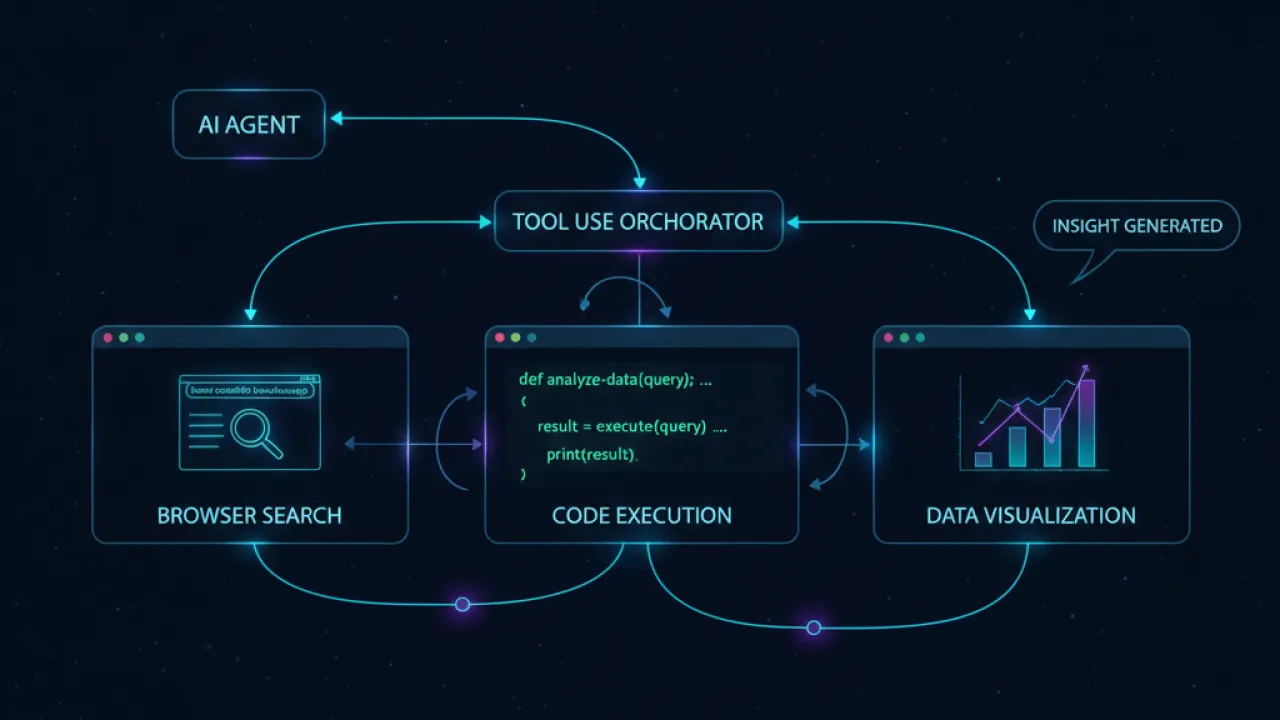
AI agents are given access to tools (also called functions or capabilities) that let them interact with systems beyond their training data. Common tools: web search, code execution (run Python and read the output), file reading and writing, API calls (interact with external services), browser control (navigate websites), and database queries.
When you use Claude Code or GitHub Copilot in agentic mode, the agent can read your files, write code, run tests, see the test results, fix failures, and run tests again — all in one session without you managing each step. That’s agentic behavior.
Multi-Agent Systems
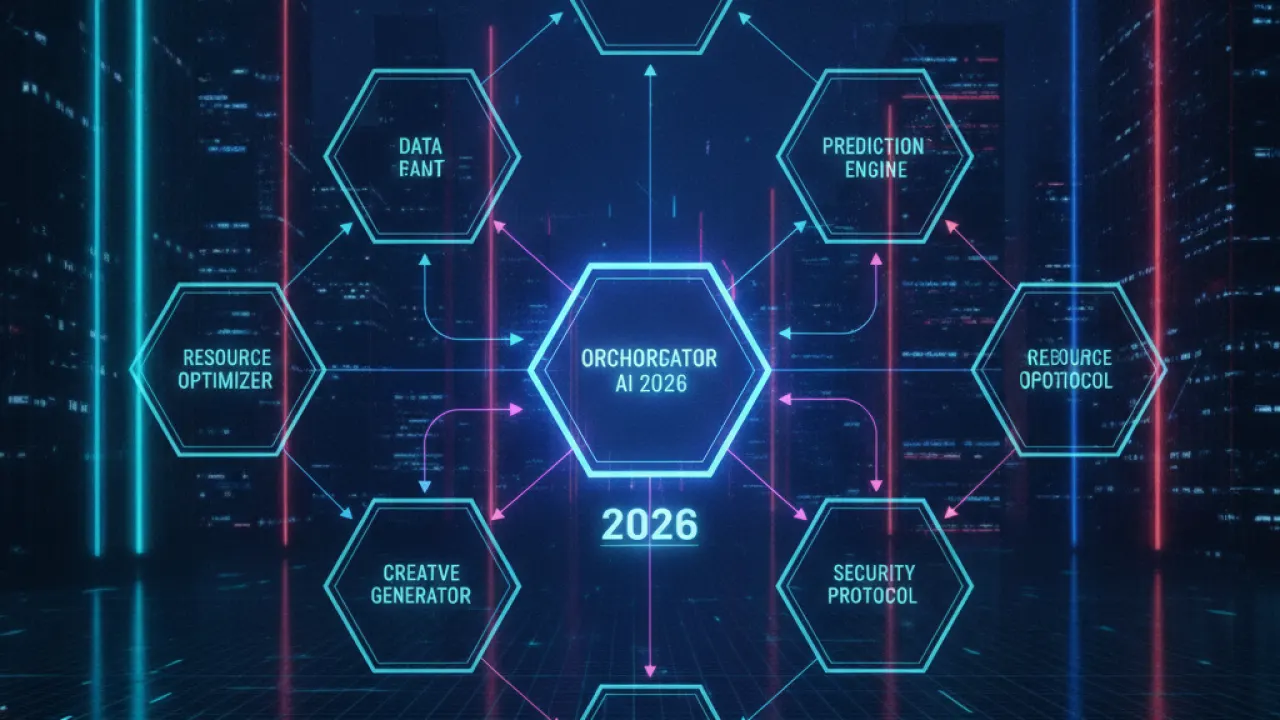
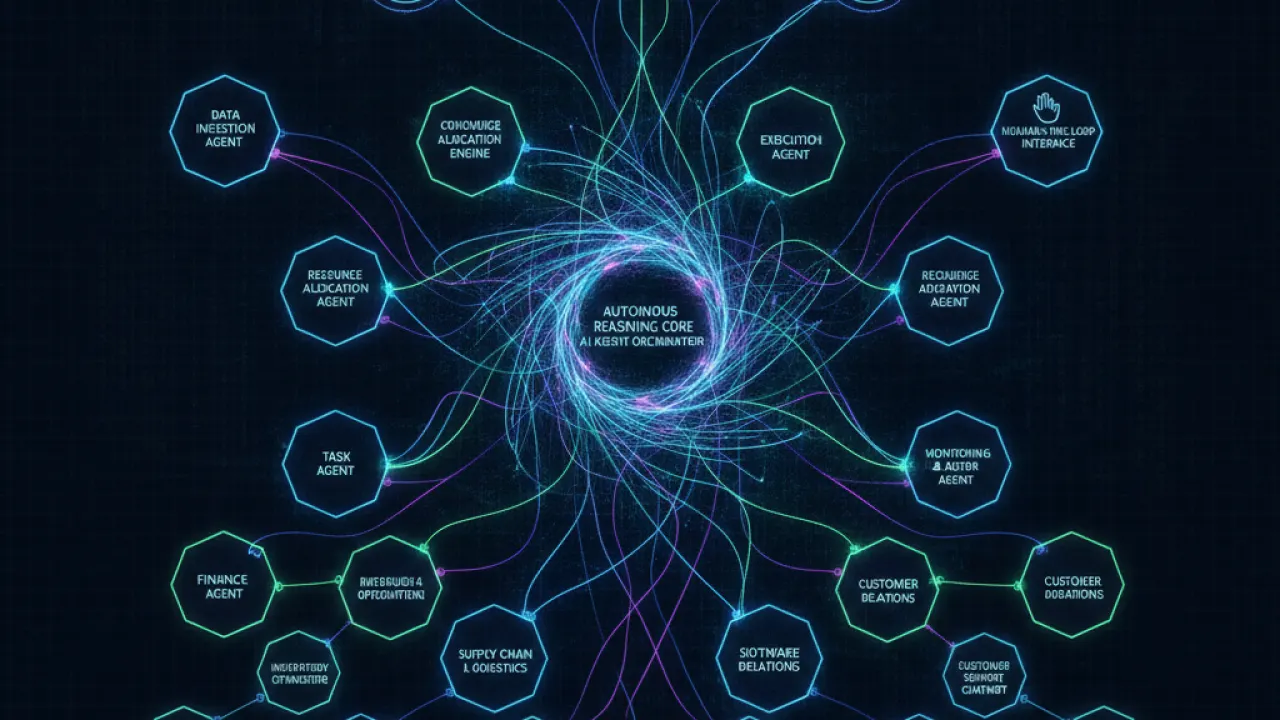
More sophisticated agentic setups use multiple specialized agents working together. An “orchestrator” agent receives the overall goal and delegates tasks to specialist agents: one agent does web research, another analyzes documents, a third writes code, a fourth reviews and edits. The orchestrator coordinates the results into a final output.
Multi-agent systems are faster than single agents for complex tasks because specialists work in parallel. They’re also more reliable because a specialist agent trained for a specific task makes fewer mistakes than a general agent doing everything.
Human in the Loop
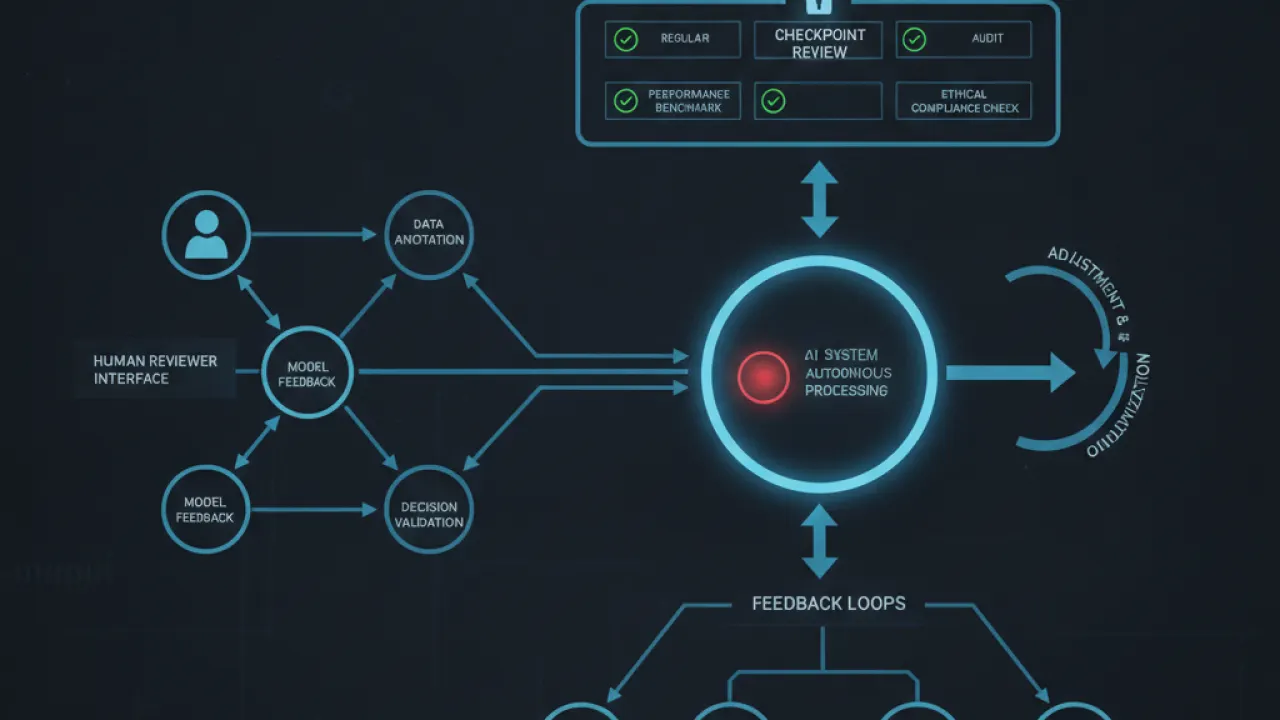
Most production agentic systems include human review checkpoints. The agent proposes an action and waits for human approval before executing. This is essential for any agentic task where mistakes are costly: financial transactions, production code deployment, external communications, and anything that’s hard to reverse.
The right level of human oversight depends on the task. Low-stakes, reversible actions (draft an email, summarize a document, generate a code skeleton) can proceed autonomously. High-stakes or irreversible actions (send the email, deploy to production, delete files) need human review. A well-designed agentic system makes this distinction clear.
Real Examples of Agentic AI in 2026
- Claude Code: Describe a coding task and Claude reads your files, writes the code, runs tests, and fixes failures in sequence. See our best AI coding agent guide for a full comparison of AI coding agents.
- Perplexity AI: Searches multiple web sources, reads results, and synthesizes an answer with citations — a simple agentic loop.
- Autonomous research agents: Given a research question, agents search academic papers, read and summarize findings, identify gaps, and compile a structured report without ongoing human direction.
- Customer service bots: Read customer queries, look up account information via API, process simple requests, and escalate to humans only when needed.
Where Agentic AI Fails

Current agentic systems fail in predictable ways. They complete tasks correctly about 60-70% of the time on standard benchmarks. Failure modes include: continuing confidently on a flawed path when an early step goes wrong, choosing inefficient sequences of actions when multiple paths exist, overestimating their capabilities on tasks outside their training, and accumulating small errors across many steps until the final result is wrong.
For this reason, the current best practice is to use agentic AI for tasks where errors are visible and recoverable, to include human checkpoints for consequential actions, and to break large goals into smaller verified stages rather than running long autonomous chains.
For the full picture of AI tools including agentic ones, our guide to the best AI tools covers the practical landscape. And our latest AI news covers new agentic AI developments as they happen.
Have you used an agentic AI tool in your work? Leave a comment with what you used it for and whether it saved time or created more work than it saved — both outcomes are useful information for readers considering adoption.