

Mullvad VPN is the most privacy-focused paid VPN you can buy in 2026. It costs €5 per month regardless of how long you subscribe, accepts cash and cryptocurrency as payment, requires no email address to sign up, and logs nothing. For people who take online privacy seriously, it’s the benchmark against which other VPNs are measured.
What Makes Mullvad Different From Every Other VPN
Most VPNs ask for your email, name you to a plan, and store your billing details. Mullvad works differently. You create an account by generating a random 16-digit number. No email. No name. No personal details.
You can pay by mailing physical cash in an envelope to Mullvad’s Sweden office, by cryptocurrency, or by credit card if you don’t mind that link. The cash payment option sounds extreme, but it’s the only way to be genuinely anonymous end-to-end with a paid VPN service.
Mullvad has also been audited multiple times by independent security firms. The audits confirm that the apps don’t leak your real IP address and that the servers don’t store logs. Audits don’t guarantee anything forever, but they’re the best evidence available that a VPN’s privacy claims hold up in practice.
Speed: Fast Enough for Everything You’ll Do
WireGuard is Mullvad’s default protocol. WireGuard is modern, lightweight, and significantly faster than OpenVPN for most use cases. On a good connection, using Mullvad costs you roughly 10 to 20 percent of your baseline speed. That’s not noticeable for browsing, streaming, or video calls.
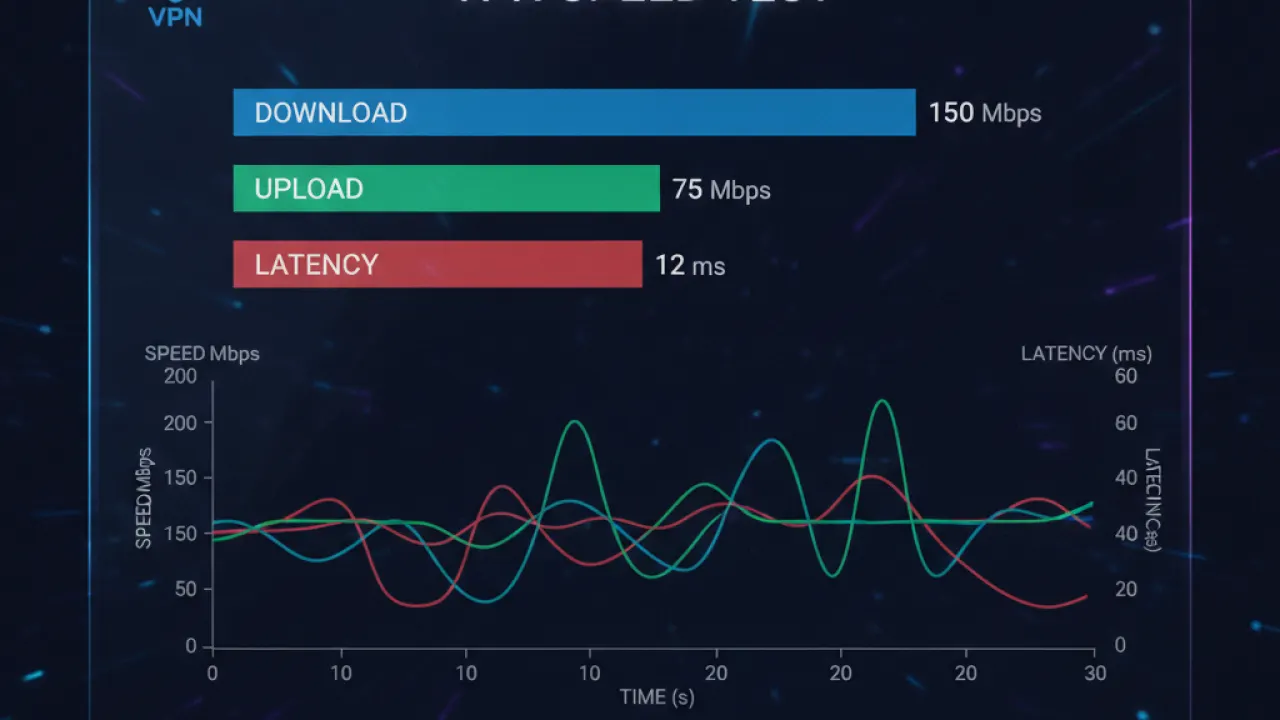
On servers near your location, the overhead is even smaller. On distant servers (connecting from the UK to Australia, for example), speeds drop more noticeably. This is true of every VPN and is a function of physics rather than the VPN’s quality.
4K streaming works without buffering on nearby servers. Video calls stay clear. Downloads are only slightly slower than without the VPN. For everyday use, Mullvad’s speed is not a limitation.
The Mullvad App: Simple and Reliable
The Mullvad apps for Windows, Mac, Linux, iOS, and Android are all minimal. There’s a big connected/disconnected indicator, a server selector, and a small settings menu. Nothing more.
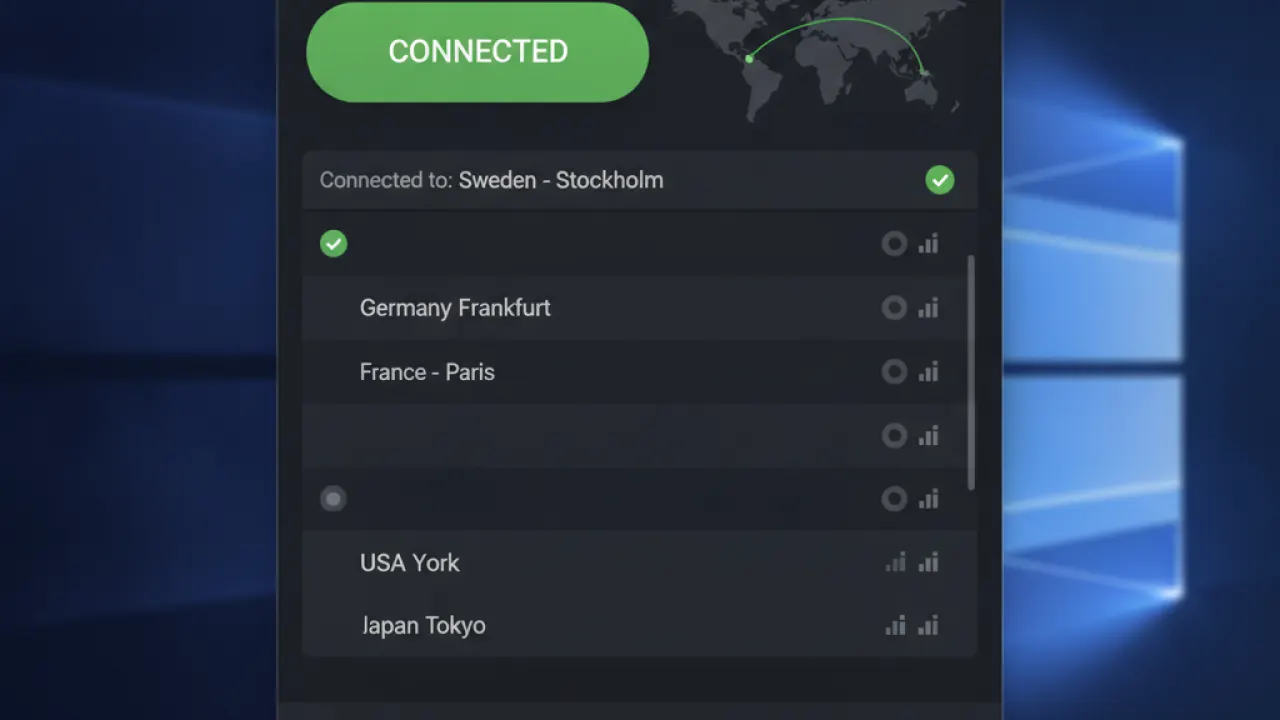
The kill switch is on by default. If the VPN connection drops, your internet connection stops completely rather than falling back to your real IP. This is the correct behaviour for a privacy-focused VPN, and it’s good that Mullvad enables it automatically.
Split tunneling is available on desktop, letting you route specific apps through the VPN while others use your regular connection. Custom DNS is configurable. Multi-hop routing (where your traffic goes through two VPN servers) is available for extra obfuscation.
The Linux app is a full GUI app, not just a command-line tool. That’s rare among VPN providers and makes Mullvad more accessible for Linux users who don’t want to mess with config files.
Protocols: WireGuard, OpenVPN, and DAITA
Mullvad supports WireGuard, OpenVPN, and its own DAITA (Defence Against AI Traffic Analysis) layer. DAITA adds random padding to traffic packets, making it harder for deep packet inspection systems to identify VPN traffic by pattern.
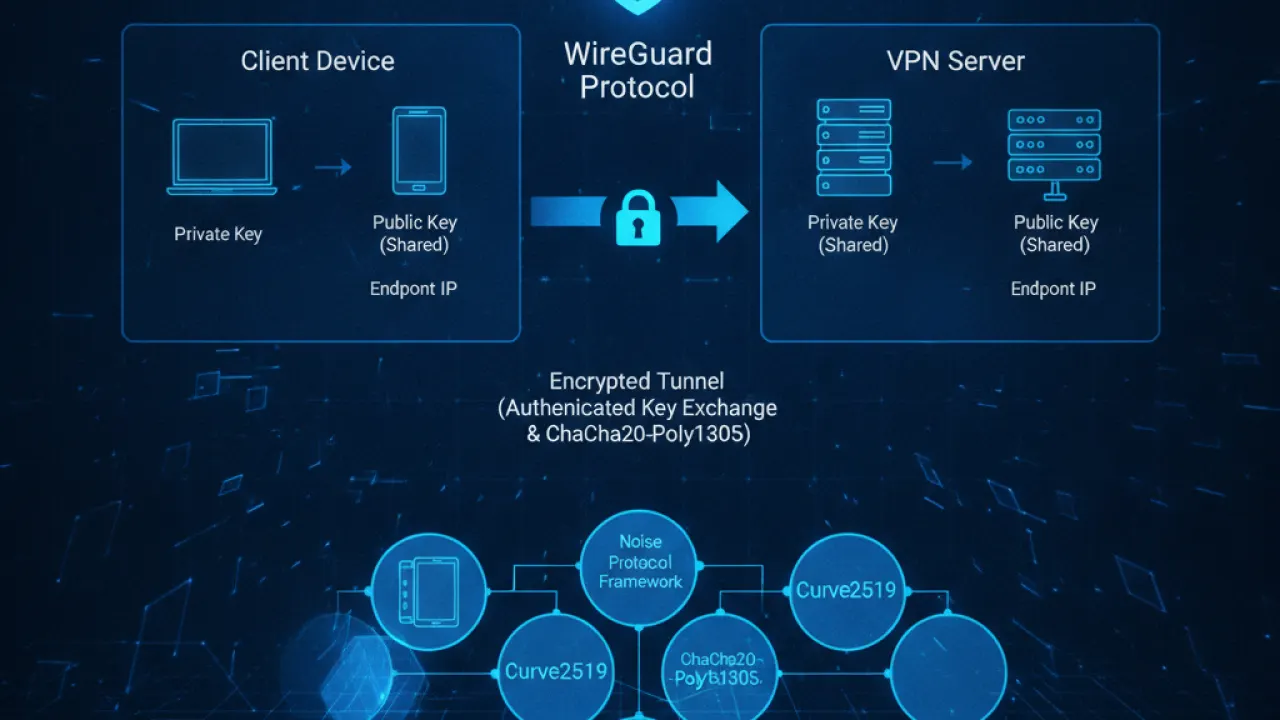
This matters in countries where VPN traffic is detected and throttled or blocked. In most of the USA, UK, Canada, and Australia, DAITA isn’t necessary but adds no harm. In countries with active network monitoring, it’s a real benefit.
The Shadowsocks obfuscation protocol is also available for networks that actively block VPN connections. Library environments, corporate networks, and restrictive ISPs often fall into this category.
Privacy Policy and Jurisdiction
Mullvad is based in Sweden. Sweden is a member of the GDPR bloc and the 14 Eyes intelligence-sharing alliance. Sweden itself has a history of internet freedom legislation, but being in the 14 Eyes means that a court order from a member country could theoretically compel Mullvad to hand over data.
The key word is “theoretically.” Mullvad’s no-logs policy means there’s no data to hand over. They don’t know who their customers are (given the anonymous account system), and they don’t store connection logs. A court order would produce nothing useful. This has been tested, and Mullvad has documented cases where police seized servers and found nothing because the servers stored no identifiable information.

What Mullvad Doesn’t Do Well
Mullvad doesn’t have a large server network by the standards of mainstream VPNs. NordVPN has 5,000+ servers. Mullvad has around 700. For most users in tier-1 countries, the available servers are sufficient. If you need a very specific geographic location for accessing local content, you may not find it.
Streaming geo-unblocking is inconsistent. Mullvad works for Netflix in some regions some of the time. It’s not marketed as a streaming VPN and shouldn’t be your first choice if bypassing streaming geo-restrictions is your primary goal. For streaming, NordVPN or ExpressVPN do this more reliably.
The price doesn’t scale down with longer subscriptions. NordVPN and others offer steep discounts for 2-year plans. Mullvad charges €5 per month regardless. Over two years, Mullvad costs €120. A 2-year NordVPN plan often comes in under €80. If budget matters more than privacy, that difference adds up.
Mullvad vs ProtonVPN vs NordVPN
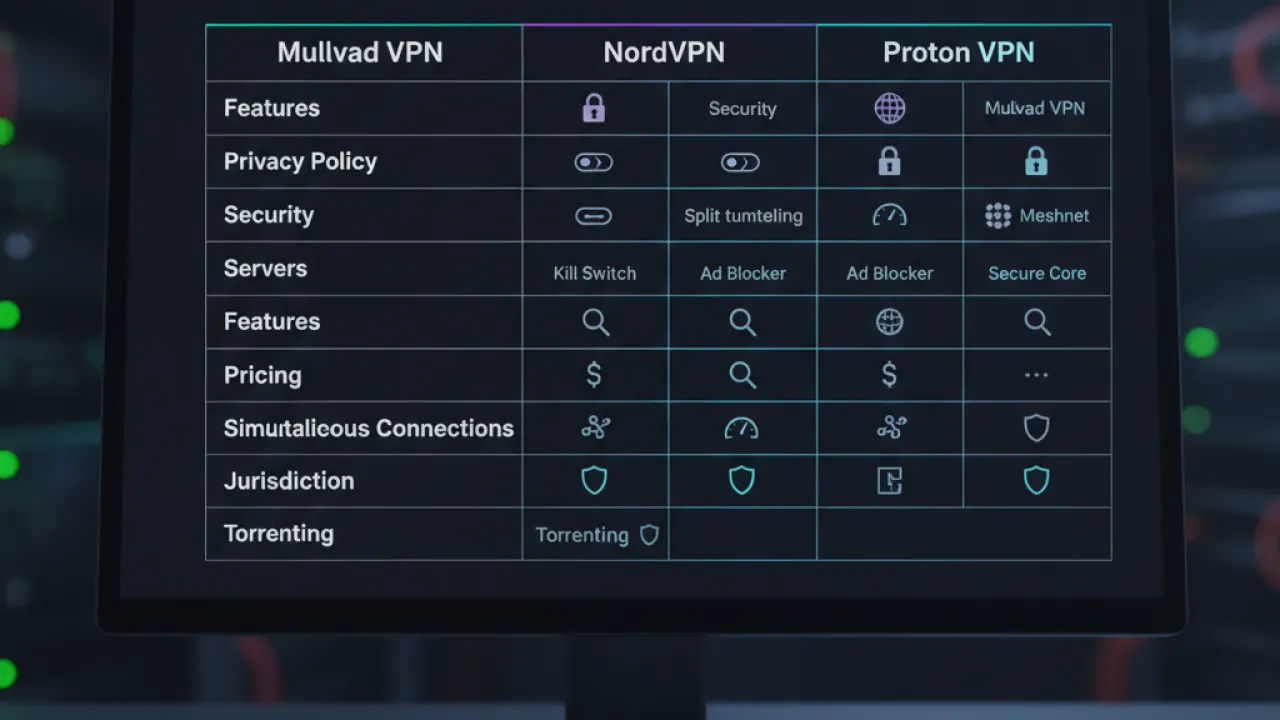
Mullvad vs ProtonVPN: Both are strong privacy choices. ProtonVPN offers more server locations, better streaming support, and a free tier. Mullvad has stronger anonymity at sign-up (no email required) and the cash payment option. For maximum privacy, Mullvad is ahead. For usability and streaming, ProtonVPN is more versatile.
Mullvad vs NordVPN: NordVPN is faster on more servers, has more streaming support, and offers 2-year discount pricing. Mullvad wins on privacy and anonymity. If you want a VPN for daily browsing and streaming with occasional privacy needs, NordVPN is a good choice. If privacy is the primary reason you’re buying a VPN, Mullvad is better.
Should You Buy Mullvad VPN in 2026?
Mullvad is the right choice if privacy is your first priority and you’re comfortable with a minimal app experience. The anonymity at sign-up, cash payment option, audited no-logs policy, and DAITA protocol make it the most privacy-serious VPN you can buy.
It’s not the right choice if you need reliable geo-unblocking for streaming services, a large server network in specific locations, or the lowest possible price on a long-term plan.
For users in the UK, USA, Canada, and Australia who want a VPN for everyday browsing, public Wi-Fi protection, and genuine privacy from their ISP, Mullvad at €5 per month is competitive with every other option in 2026.
Beyond your VPN choice, strong passwords and two-factor authentication are the biggest security wins you can get. Our guide to basic cybersecurity tips covers the habits that matter alongside a VPN. And if you’ve set up a home network with Pi-hole vs AdGuard Home, adding a VPN on top gives you layered protection that covers most real-world threats.
Mullvad VPN 2026 Summary
- Price: €5 per month, no long-term discount
- Servers: ~700 servers in 40+ countries
- Protocols: WireGuard (default), OpenVPN, DAITA, Shadowsocks
- Logging: No logs, independently audited
- Anonymity: No email required, accepts cash payment
- Apps: Windows, Mac, Linux, iOS, Android
- Streaming: Inconsistent — not the best choice for this
- Best for: Privacy-focused users in tier-1 countries
Is Mullvad on your shortlist, or are you already using it? Drop a comment with which VPN you’re running and why you chose it over the alternatives. Real-world experiences help other readers make a better decision.