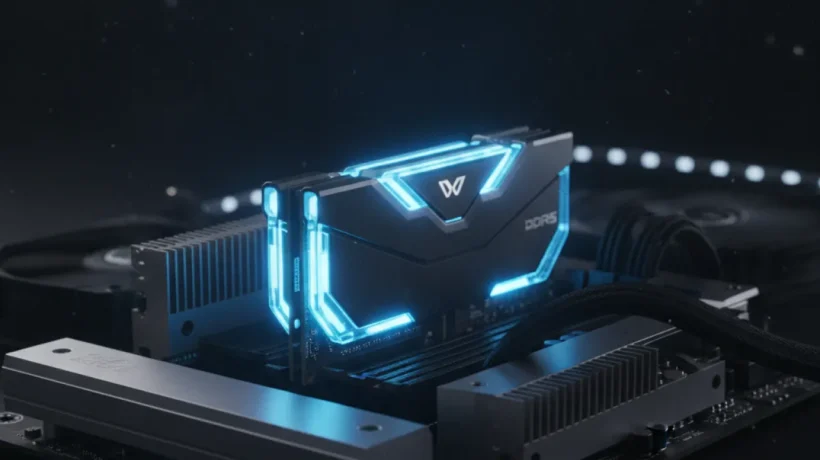

DDR5 RAM is now the standard in new PC builds, but the numbers in the spec sheet and the performance you see in real use are two different things. This guide covers what DDR5 actually delivers in 2026, which workloads benefit the most, and whether it’s worth upgrading from DDR4 if you’re already on a working system.
DDR5 Specifications in 2026: What the Numbers Mean
DDR5 starts at 4800 MT/s and commercially available kits in 2026 go up to 8000 MT/s and beyond for extreme overclocking. The mainstream sweet spot for performance builds is 6000 MT/s, where the price-to-performance ratio is best.
The other key DDR5 improvement over DDR4 is bandwidth. DDR4 tops out at around 50 GB/s of theoretical bandwidth. DDR5-6000 delivers around 96 GB/s. DDR5-8000 pushes past 128 GB/s. That’s not marketing noise. Applications that process large amounts of data simultaneously notice this difference clearly.
DDR5 also uses on-die ECC (error correction) within each memory module, which improves stability. It runs at lower voltage than DDR4, which reduces heat over long sessions.
Real-World Read/Write Speeds: What You’ll Actually Get
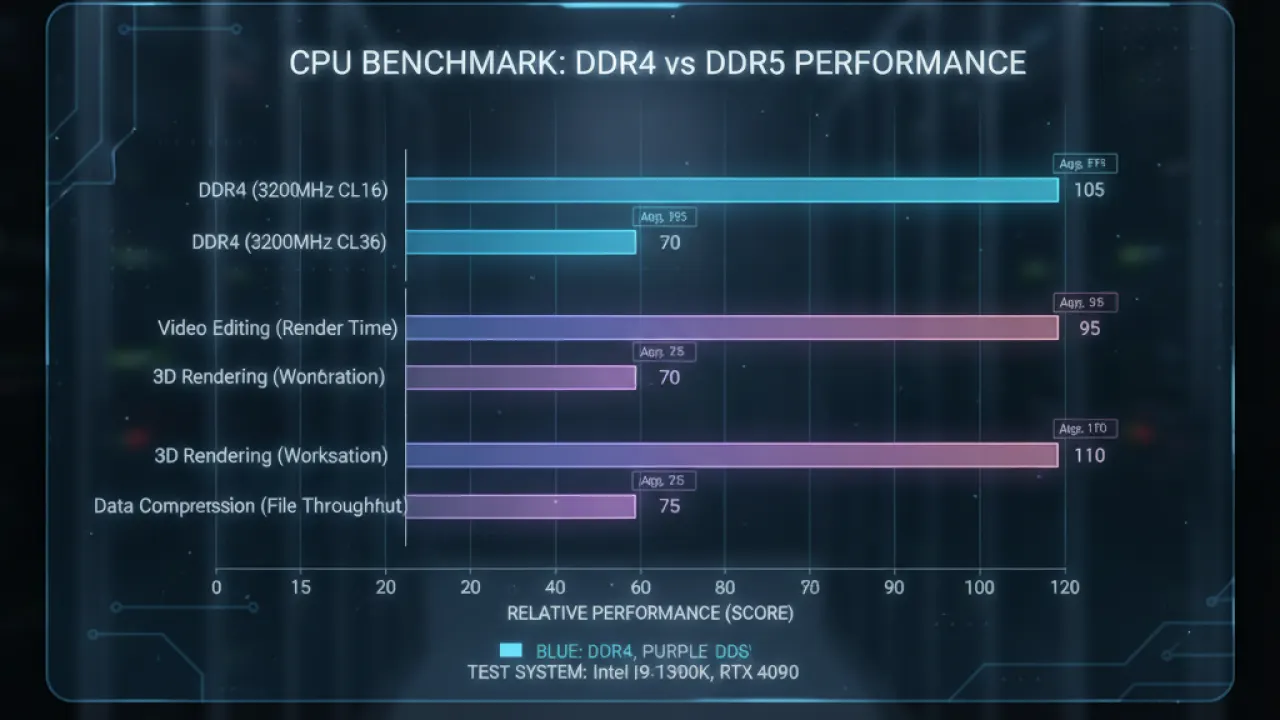
Theoretical maximum bandwidth is rarely what programs see in practice. Here are the real-world numbers from 2026 builds:
DDR5-6000 (mainstream, dual channel):
- Sequential read: 85-95 GB/s
- Sequential write: 80-90 GB/s
- Copy: 75-85 GB/s
- Latency: 60-70 ns
DDR4-3600 (high-end DDR4 for comparison):
- Sequential read: 45-55 GB/s
- Sequential write: 45-50 GB/s
- Copy: 42-48 GB/s
- Latency: 55-65 ns
The bandwidth difference is real and large. The latency gap is smaller, and in some cases DDR4 wins on latency at lower frequencies because of how the memory controller works on Intel and AMD platforms.
Does DDR5 Actually Make Games Faster?
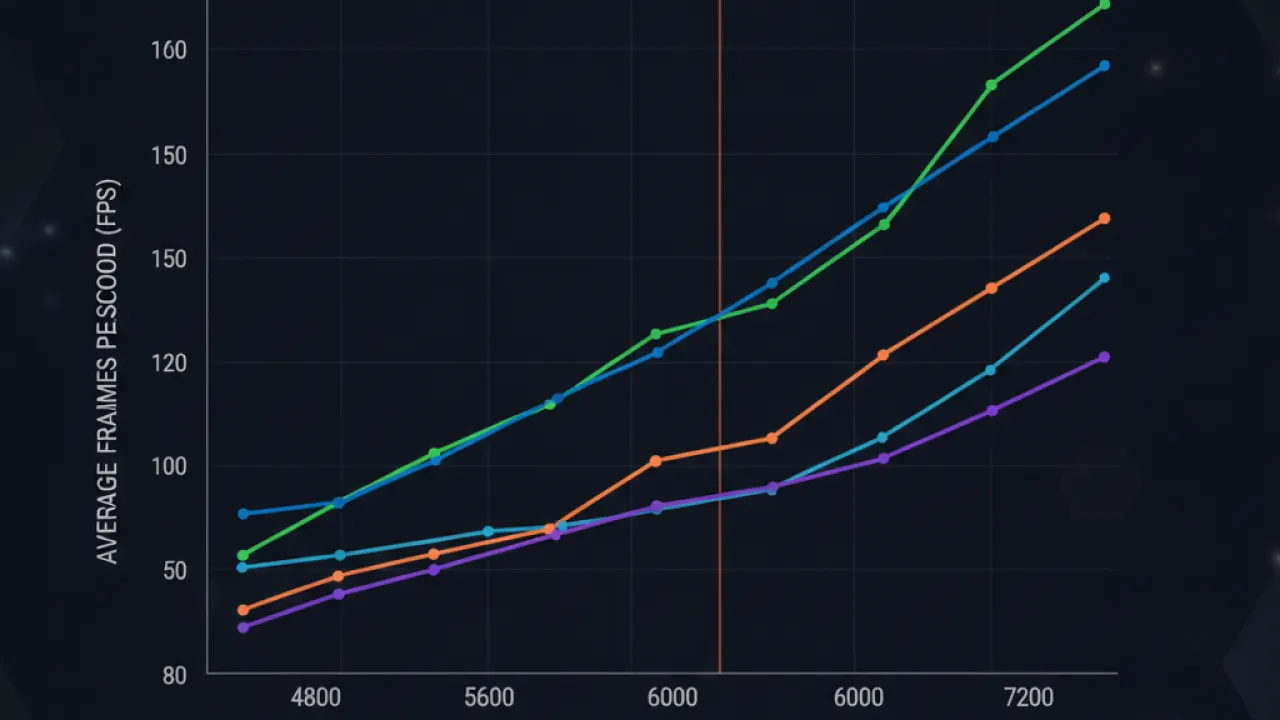
For most games, the difference between DDR4-3600 and DDR5-6000 is 5 to 10 percent in frame rate at best, and often less than that. Games are almost never memory bandwidth limited in the way that video encoding or 3D rendering is.
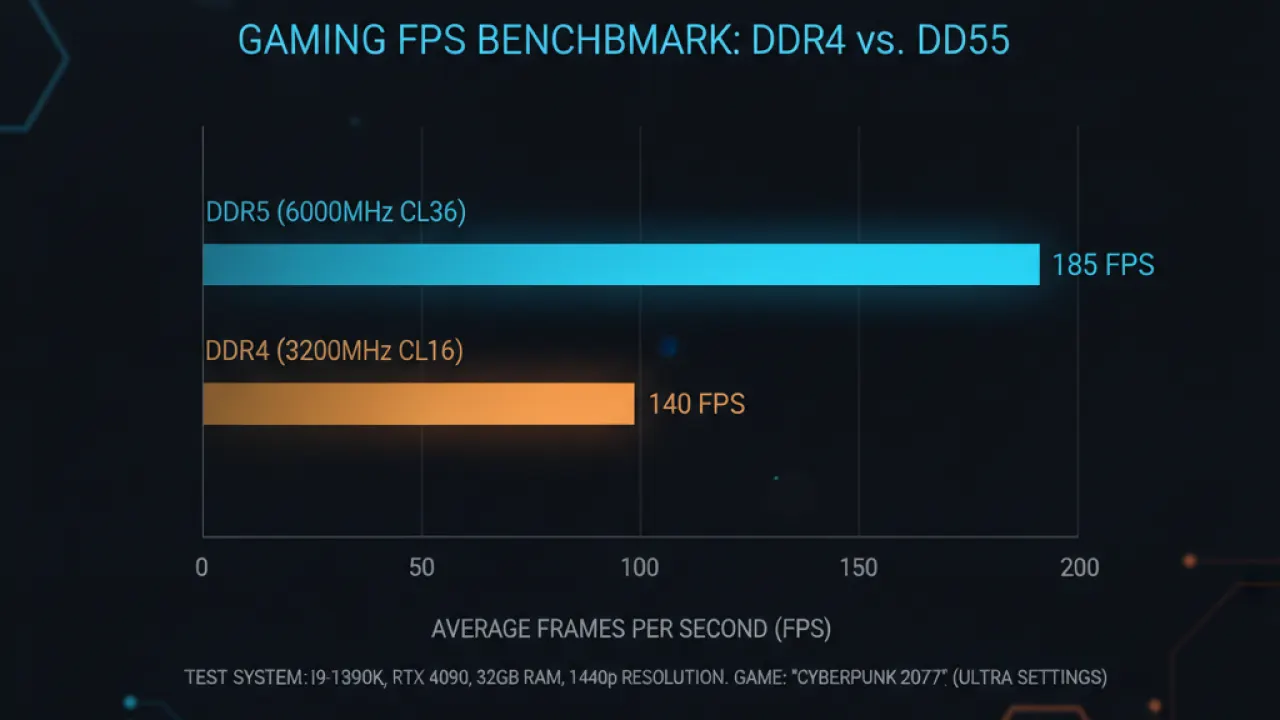
The games that benefit most from DDR5 are open-world titles that stream large amounts of data from storage and keep a lot of world state in RAM simultaneously. Games like simulation titles, strategy games with large maps, and modern open-world games see more benefit than tight linear shooters.
If you’re gaming at 1440p or 4K, your GPU is almost certainly the bottleneck, not your RAM. DDR5 won’t turn a mid-range GPU into a high-end one.
Where DDR5 Makes a Clear Difference
These workloads show clear, measurable improvement with DDR5 over DDR4:
- Video editing and encoding. Adobe Premiere, DaVinci Resolve, and Handbrake all process large sequential data chunks. Higher bandwidth means faster scrubbing and shorter export times, particularly with 4K and 8K footage.
- 3D rendering. Blender, Cinema 4D, and similar tools keep complex scene data in RAM. More bandwidth means the CPU spends less time waiting for data.
- Data science and machine learning. Python with NumPy, Pandas, or TensorFlow on the CPU sees clear benefits from DDR5 bandwidth when working with large datasets.
- Compilation. Compiling large codebases (think Linux kernel or Chromium) is memory-bound. DDR5 can reduce compile times by 10 to 20 percent.
- Virtual machines. Running several VMs simultaneously stresses memory bandwidth. DDR5 handles this better than DDR4.
Best DDR5 RAM Kits in 2026
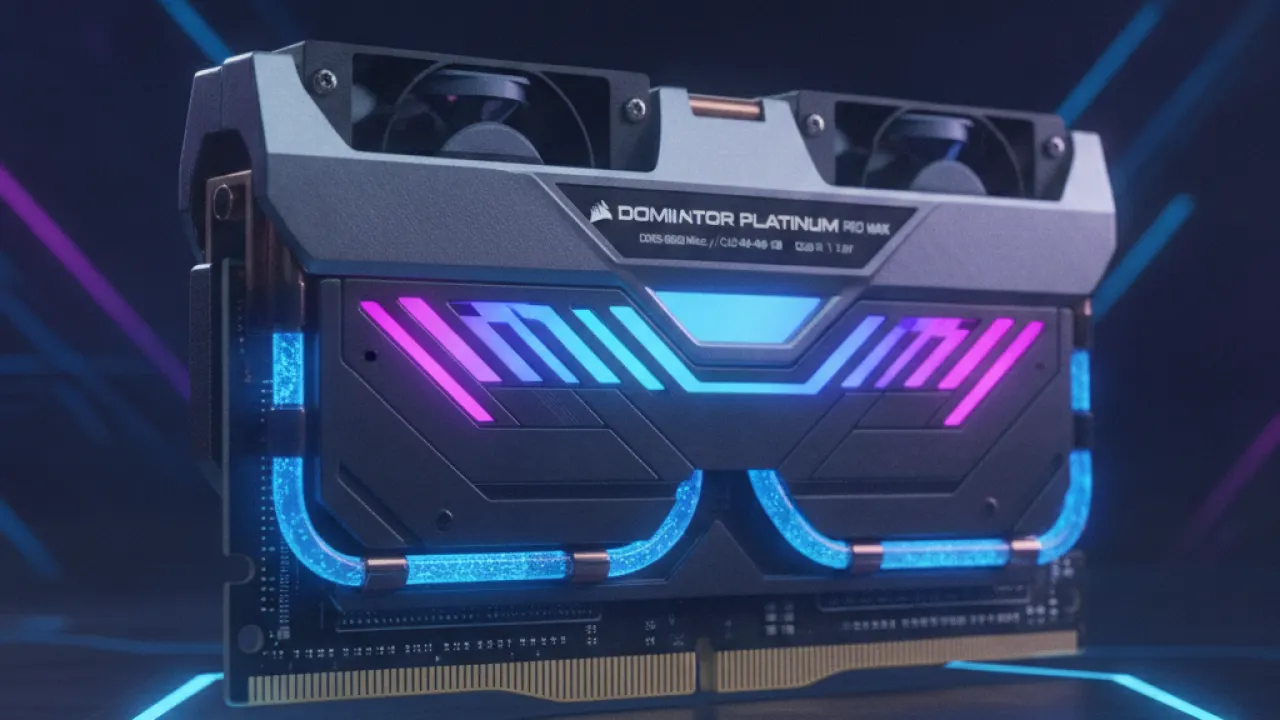
The market has matured significantly since DDR5 launched. Prices have come down and quality has improved. These are the most reliable kits in 2026:
- G.Skill Trident Z5 Neo DDR5-6000 32GB: Optimized for AMD AM5 platforms. Runs the EXPO profile reliably at rated speeds. Strong choice for Ryzen 7000 and 9000 series builds.
- Corsair Vengeance DDR5-5600 32GB: Good Intel and AMD compatibility. Slightly below peak speed but more stable across different motherboard configurations.
- Kingston Fury Beast DDR5-6000 32GB: Budget-friendly, reliable, and widely compatible. Good starting point for a first DDR5 build without overspending.
- Crucial Pro DDR5-5600 32GB: Micron-manufactured silicon with good latency tuning potential. Often a top choice for workstation builds.
Should You Upgrade From DDR4 to DDR5?
If you’re on DDR4 and thinking about upgrading just the RAM, you can’t. DDR5 requires a new motherboard and a compatible CPU (Intel 12th gen or newer, AMD Ryzen 7000 or newer). There’s no DDR4-to-DDR5 upgrade path without replacing major components.
If you’re building a new PC from scratch in 2026, the choice is simple: buy DDR5. New platforms default to it, DDR4 motherboard options for current CPUs are limited, and DDR5 prices have reached price parity with high-end DDR4.
If you’re on a DDR4 system that runs everything you need without problems, there’s no case for upgrading to DDR5 unless you’re also replacing your CPU and motherboard for other reasons.
What Comes After DDR5?
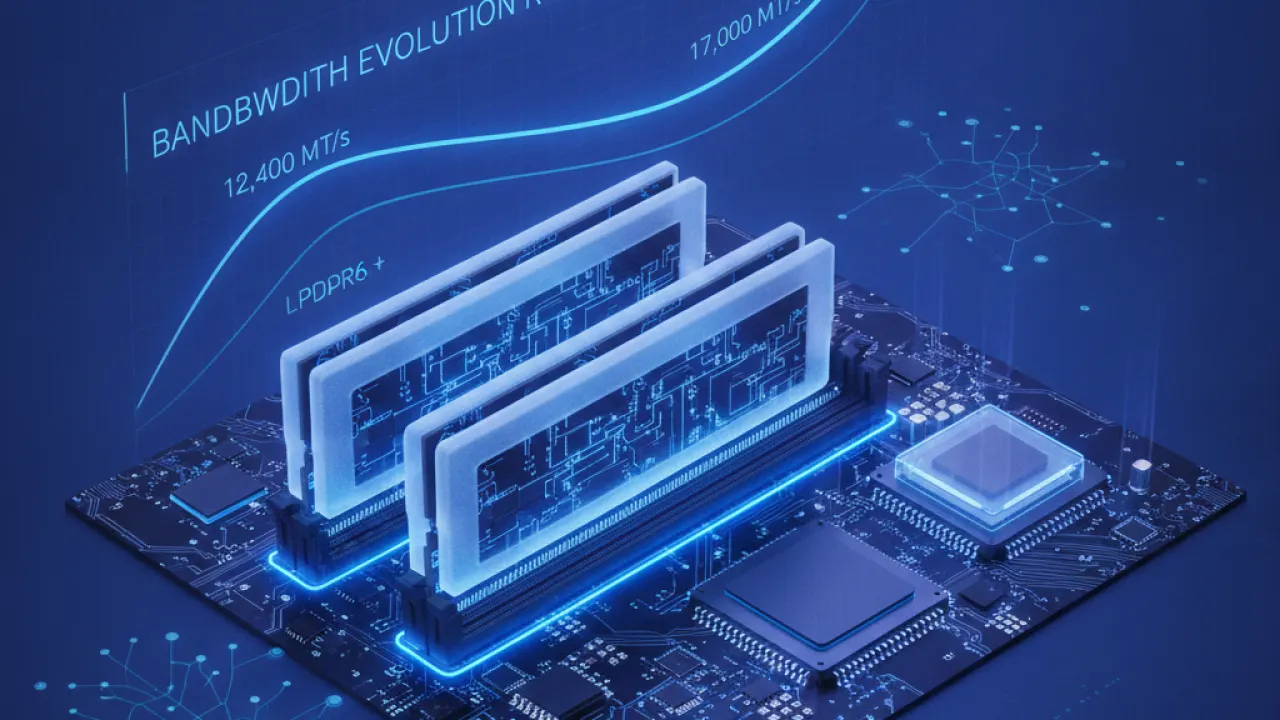
DDR6 is in development with early specifications expected to be finalized in 2025-2026. Initial DDR6 modules in consumer hardware are realistically a 2027 or 2028 event. LPDDR6 for mobile devices may arrive slightly earlier.
DDR6 targets speeds of 12,800 MT/s at the low end and over 17,000 MT/s at the high end. For most consumer use cases, DDR5 has more than enough headroom to remain relevant through 2027 and beyond.
Buying DDR5-6000 today gives you a platform that will be well within the mainstream for the life of current-generation platforms. There’s no reason to wait for DDR6 if you’re building or buying a PC now.
For the latest hardware and gadget news, the latest AI breakthroughs covers what’s happening across the tech world weekly. And when you’re comparing hardware choices, the best smartphones guide uses the same methodology for mobile hardware decisions.
DDR5 in 2026: The Short Version
- DDR5-6000 is the mainstream sweet spot in 2026 for price and performance.
- Real-world bandwidth is roughly double DDR4, with slightly higher latency.
- Gaming gains are modest (5-10 percent). Creative workload gains are significant (10-30 percent).
- You can’t upgrade just RAM from DDR4 to DDR5. It requires a new CPU and motherboard.
- If you’re building new in 2026, DDR5 is the only sensible choice.
- DDR6 is 2-3 years away for consumer use. DDR5 is not going obsolete any time soon.
What platform are you running and what RAM speed are you using? Share your setup and the workloads you’ve noticed improvement in. Real-world data from readers is always more useful than lab numbers.