
CES 2026 in Las Vegas brought thousands of product announcements, prototype reveals, and technology demonstrations from companies across the world. Here are the highlights that matter most and what they mean for tech you can actually buy in the near future.
AI-Powered Personal Devices: The Standout Category
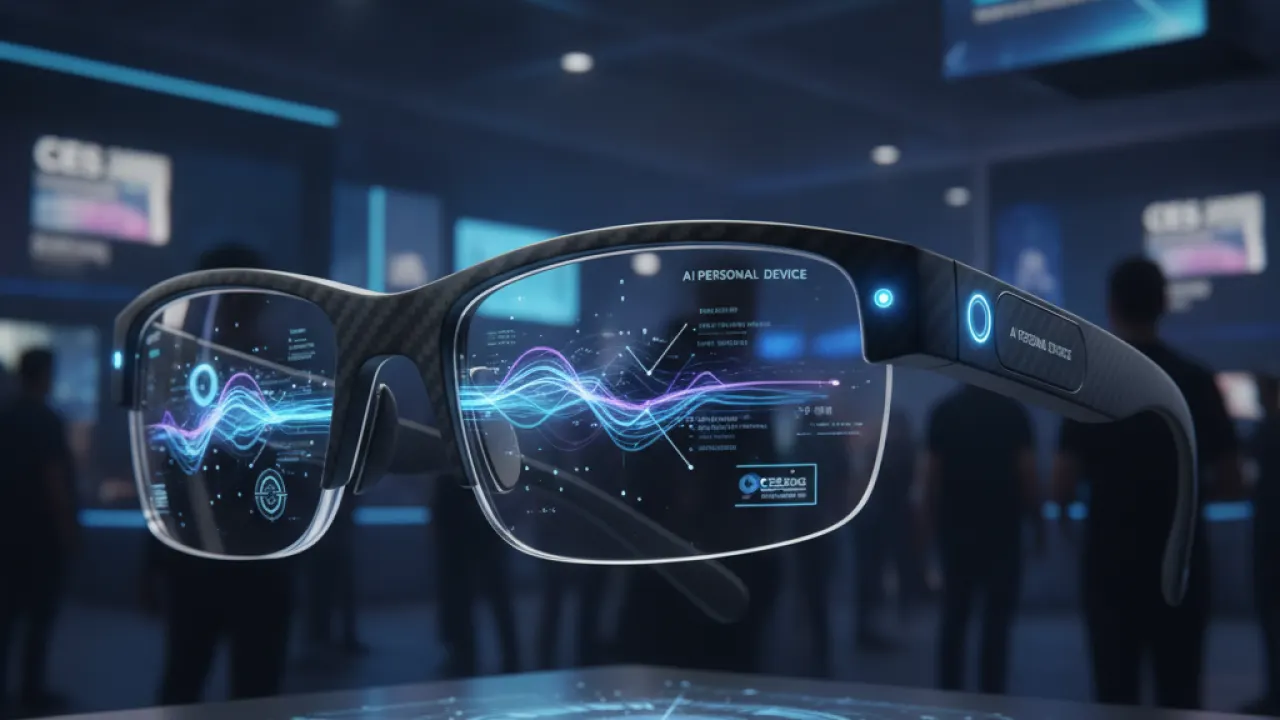
AI-powered personal devices were the most-discussed category at CES 2026. Smart glasses, AI pins, and AI-enhanced earbuds dominated booth space from dozens of manufacturers.
Samsung showed a prototype of Galaxy AI glasses with a transparent display and a dedicated AI processing chip. The glasses transcribe spoken conversations in real time, translate between languages, and surface relevant information from your phone in your field of view. A commercial release date wasn’t confirmed but Samsung indicated a 2026 launch window.
Several companies showed AI-powered earbuds that go beyond noise cancellation to active conversation assistance. These earbuds can detect when someone speaks to you while you’re listening to music, lower the volume automatically, and use AI to extract the spoken words through ambient noise. The practical application is clear: hands-free conversations in noisy environments.
The Humane AI Pin category, which launched with significant fanfare in 2024 and underwhelmed with its initial product, showed signs of genuine improvement at CES 2026. Multiple companies presented wearable AI devices with better battery life, faster response times, and more practical use cases than the first generation.
Electric Vehicles: Software Becomes the Differentiator
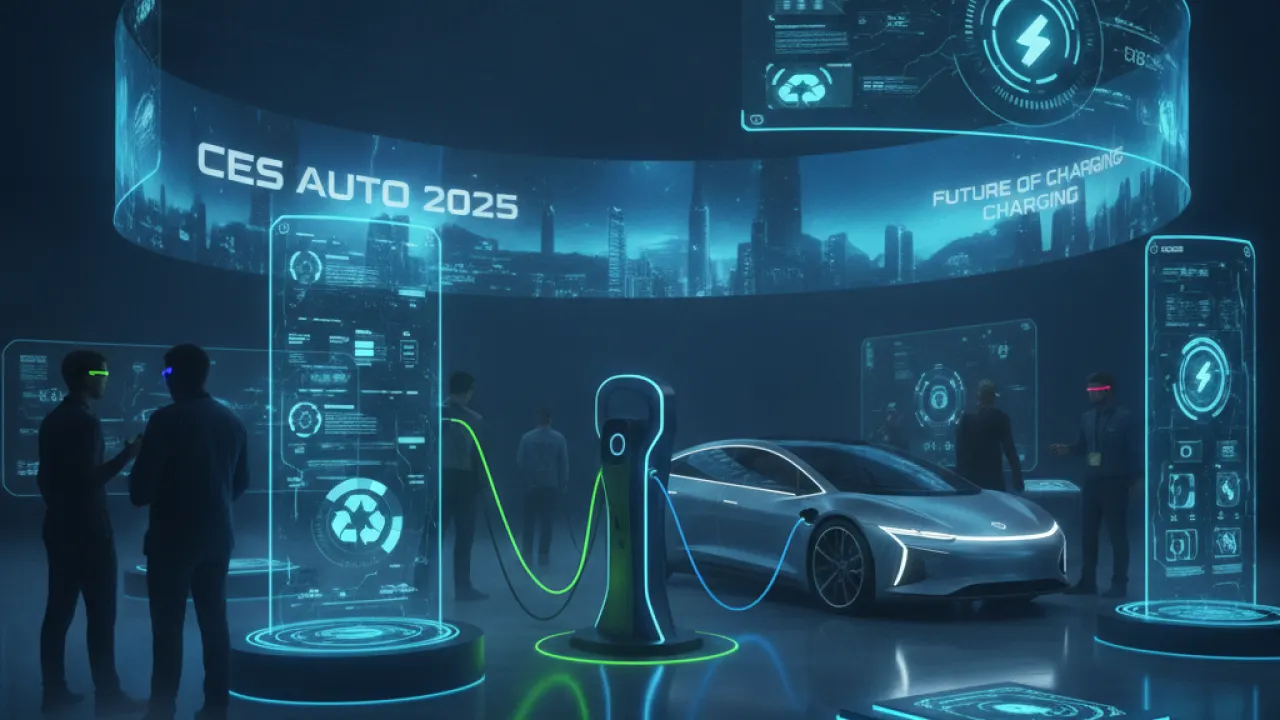
The hardware gap between EV manufacturers is narrowing. Battery energy density and charging speeds are approaching practical limits that matter less and less to consumers whose cars already charge faster than they can stop. The differentiation at CES 2026 was software.
Mercedes-Benz demonstrated AI-powered route planning that goes beyond mapping. The system monitors driver behavior, learns preferred driving styles, and optimizes charging stops based on real-time traffic and charger availability. It also integrates with smart home systems to coordinate when the home charges the car (off-peak electricity hours) and when the car can feed power back to the home during peak demand.
Stellantis announced over-the-air software updates for vehicles going back to 2018 models that will add AI-powered features previously only available in new vehicles. Retrofitting AI capabilities to existing cars through software updates is a cost-effective way to grow the addressable market.
Smart Home: Matter Maturity
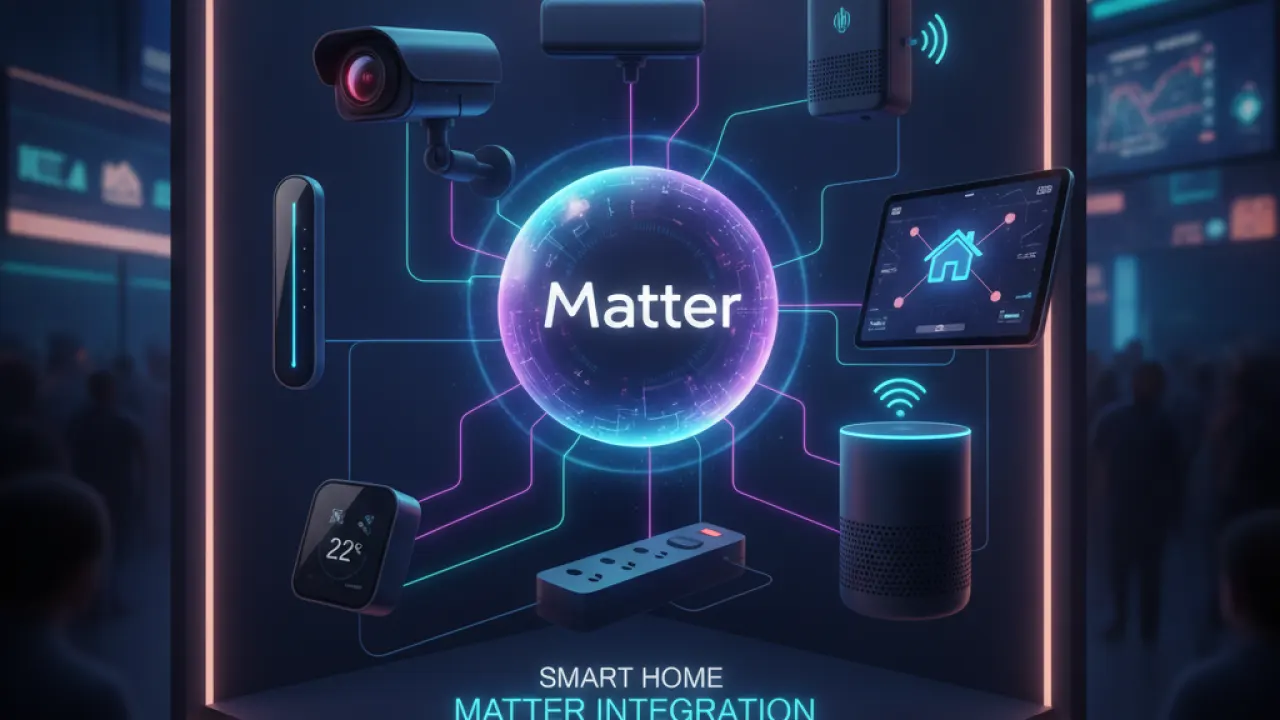
The Matter standard, launched in 2022, has finally reached the level of device support and reliability where it’s genuinely useful rather than aspirationally useful. At CES 2026, virtually every smart home device announced included Matter compatibility.
The practical impact for consumers is that smart home lock-in is decreasing. You can buy a bulb from one manufacturer, a thermostat from another, and a security camera from a third, and manage them all through a single app or voice assistant without compatibility headaches.
Amazon introduced an updated Alexa with on-device processing for basic commands, meaning the most common requests (set a timer, turn off lights, play music) work without an internet connection. This addresses one of the persistent complaints about cloud-dependent smart speakers.
Personal Robotics: Closer Than Expected
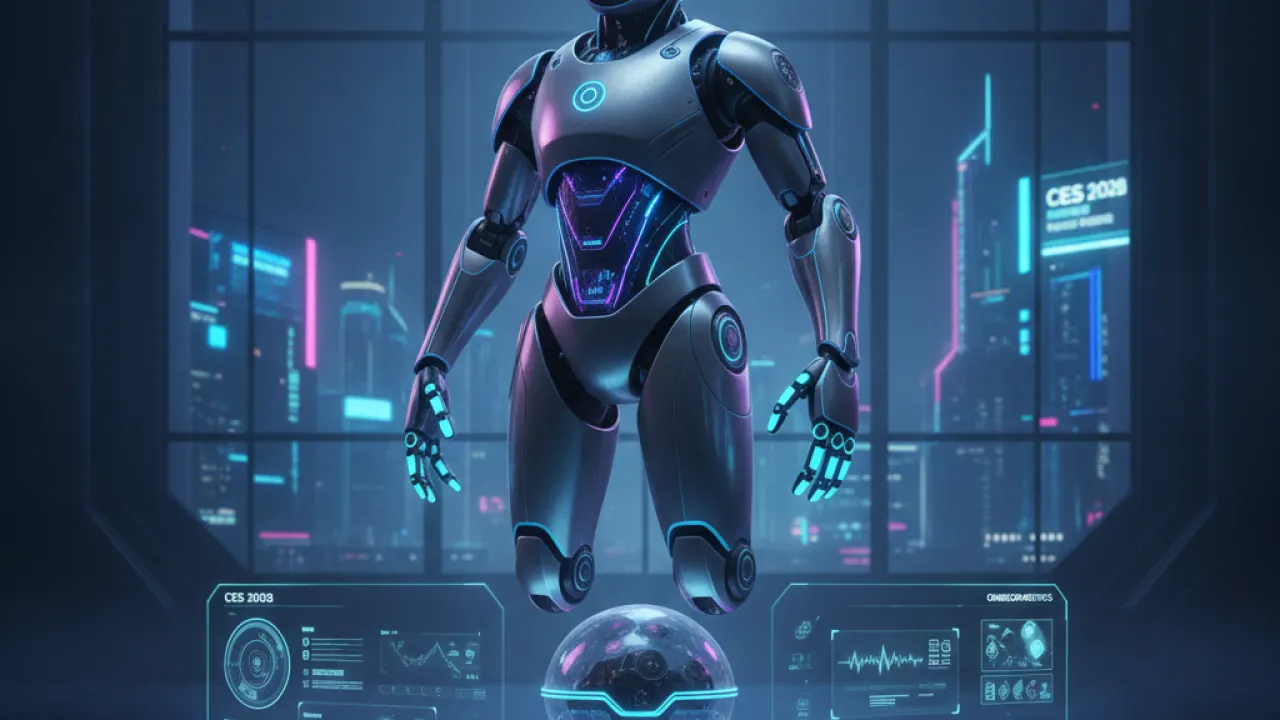
Home robots were a category that previous CES shows presented as perpetually years away. At CES 2026, two companies showed functional demonstrations of home robots that can perform simple household tasks: picking up objects from floors, loading dishwashers, and folding laundry.
The gap between demo and reliable product remains significant. Robots perform well in controlled environments and struggle with the variability of real homes. But the improvement from 2024 to 2026 demonstrations was notable enough that industry analysts moved their predictions for consumer home robots from “maybe 2030” to “possibly 2027-2028.”
The enabling factor is AI. Previous generations of home robots relied on hard-coded behaviors and struggled when encountering anything outside their programmed scenarios. AI-powered robots learn from experience and generalize better to new objects and environments.
Health Wearables: Clinical Accuracy Arrives
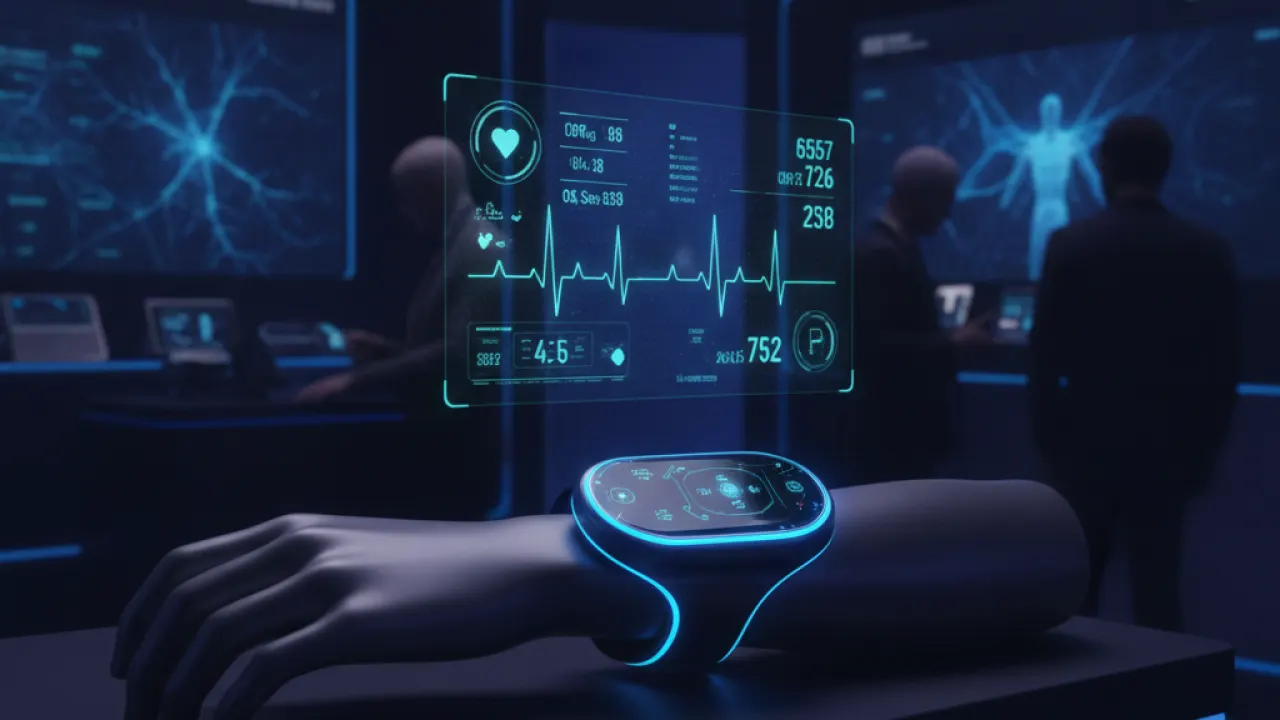
Health wearables at CES 2026 reached a milestone: clinical-grade accuracy for some measurements at consumer prices.
Samsung Health showed a new Galaxy Watch variant that measures blood glucose non-invasively using a combination of optical sensors and machine learning. This has been the holy grail of wearable health monitoring for a decade. Samsung has FDA clearance pending and targets a Q3 2026 release.
Several companies showed blood pressure monitoring that meets clinical accuracy standards. Previous consumer blood pressure wearables were directionally useful but not accurate enough for medical use. The new generation, using AI to interpret sensor data, is achieving results within the margins that medical guidelines require.
The practical impact of clinical-grade health wearables is significant for preventive healthcare. Conditions like hypertension and diabetes that are manageable when caught early are harder to treat when detected late. Continuous monitoring by a wearable that can alert when readings trend in concerning directions changes the dynamic.
What to Watch From CES 2026 Launches
Several CES 2026 announcements will translate into purchasable products in the next 12 months:
- Samsung Galaxy AI Glasses: watch for Q4 2026 or early 2027 release
- Amazon Alexa offline processing: rolling out via OTA updates to existing devices
- Samsung non-invasive glucose monitor: pending FDA clearance, watch for US approval news
- Matter 1.3 enabled devices: available now from major manufacturers
CES announcements famously overstate timelines and understate the gap between prototype and product. The category trends, however, are reliable indicators of where the industry is heading regardless of which specific products ship on schedule.
Stay current with all tech developments through our weekly latest AI news that covers AI announcements as they happen. And for the consumer products that actually make it to market, our best smartphones guide covers the devices worth buying this year.
What CES 2026 announcement are you most excited about? The AI wearables, the home robots, or the health monitoring capabilities? Leave a comment with the announcement that caught your attention most.