
The best wireless charger in 2026 depends on your phone. iPhone 16 users get the most from MagSafe or Qi2 chargers. Samsung Galaxy users need Samsung-compatible chargers for fast wireless speeds. Here’s what to buy for each phone and what the speed differences actually mean.
iPhone 16: MagSafe vs Qi2 vs Standard Qi
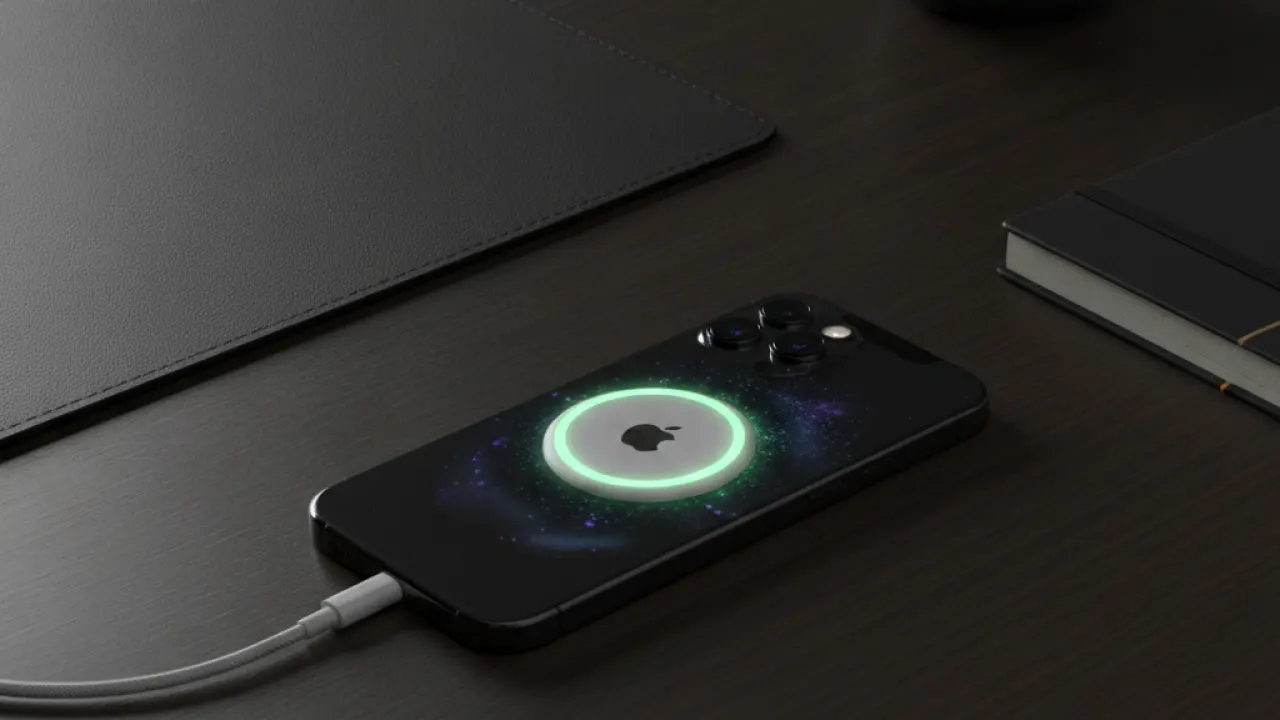
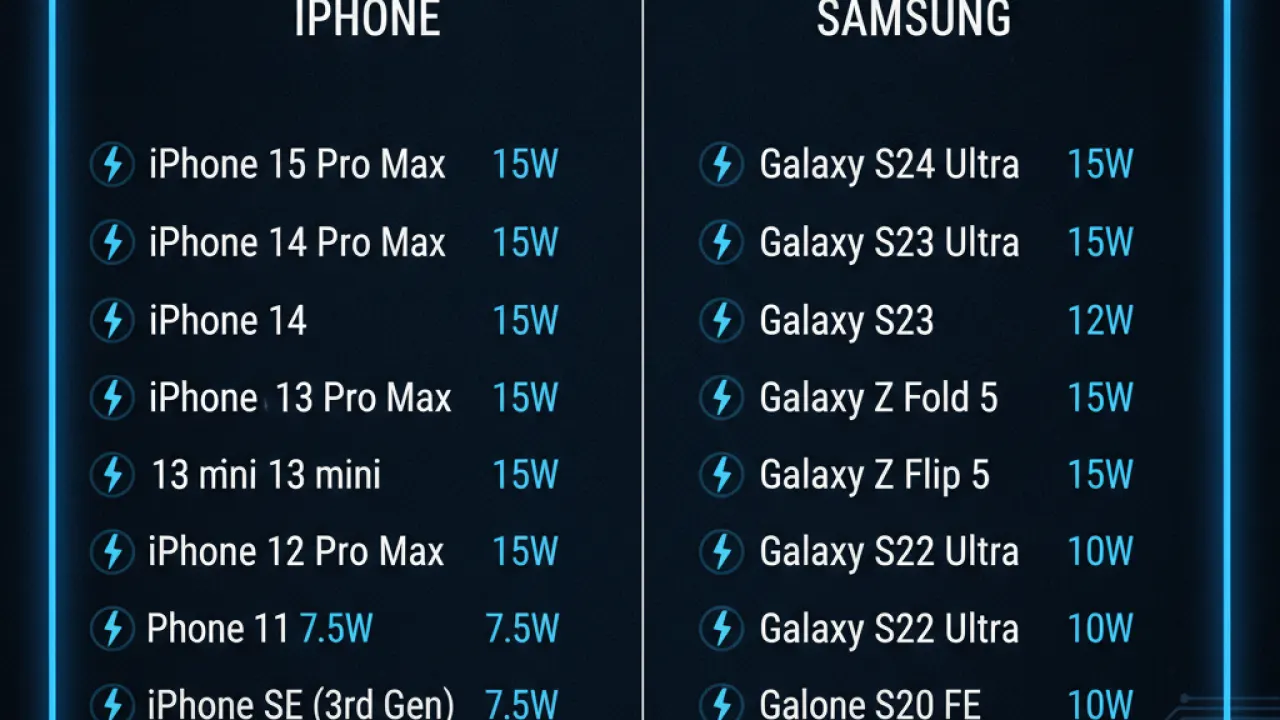
iPhone 16 supports three wireless charging standards with different speeds. MagSafe (Apple’s proprietary standard with the magnetic alignment ring): 15W. Qi2 (the universal standard that matches MagSafe speeds): 15W. Standard Qi (any generic wireless charger): 7.5W. For iPhone 16, buy either a MagSafe or Qi2 charger to get the maximum wireless speed. Standard Qi chargers work but charge at half the speed.
The practical difference: a 15W charge from 0-100% takes approximately 2.5 hours wirelessly. Standard Qi at 7.5W takes closer to 4 hours. Neither approaches wired charging speed (iPhone 16 supports up to 27W wired), but 15W wireless is fast enough for overnight charging and desk-top-up use.
Samsung Galaxy: Fast Wireless 25W
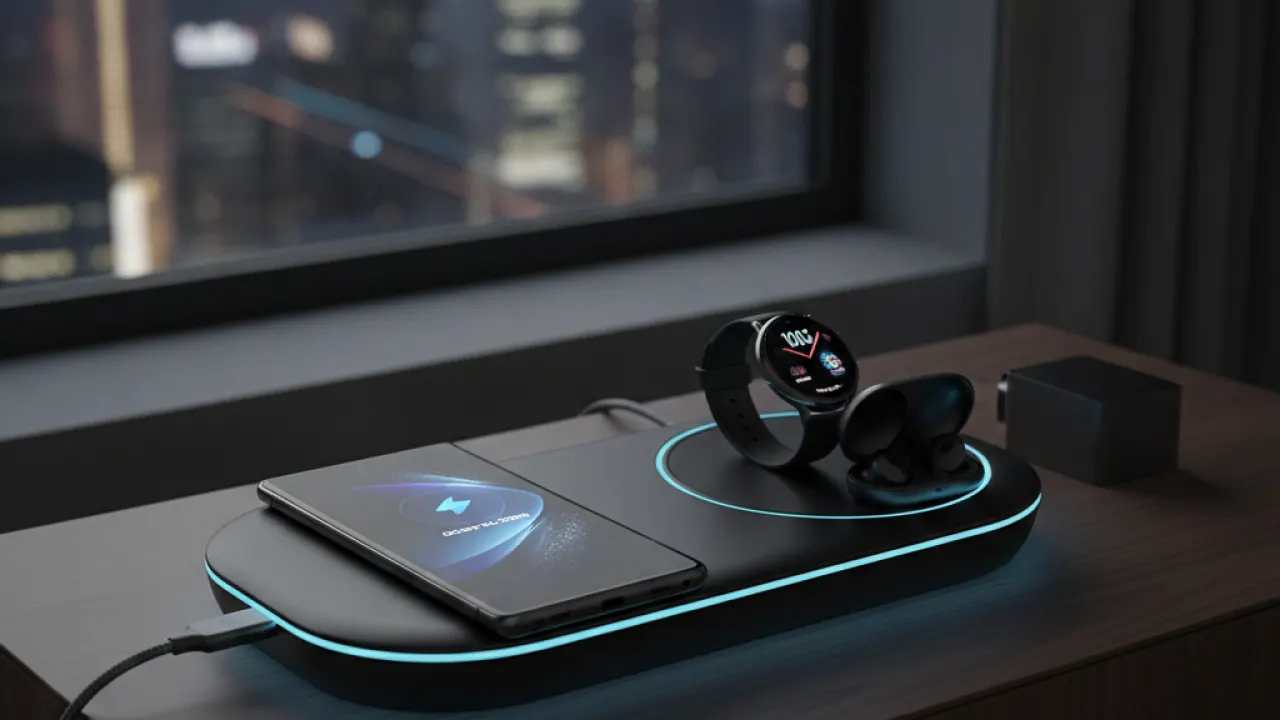
Samsung Galaxy S-series phones support up to 25W fast wireless charging on recent models. However, getting 25W requires a Samsung-branded charger or specifically compatible third-party charger. Generic Qi chargers deliver 5-10W on Samsung phones. The Samsung Wireless Charger Duo Pad (around $50) charges a Galaxy phone at 15W and a Galaxy Watch simultaneously.
Best Universal Picks for Both Platforms
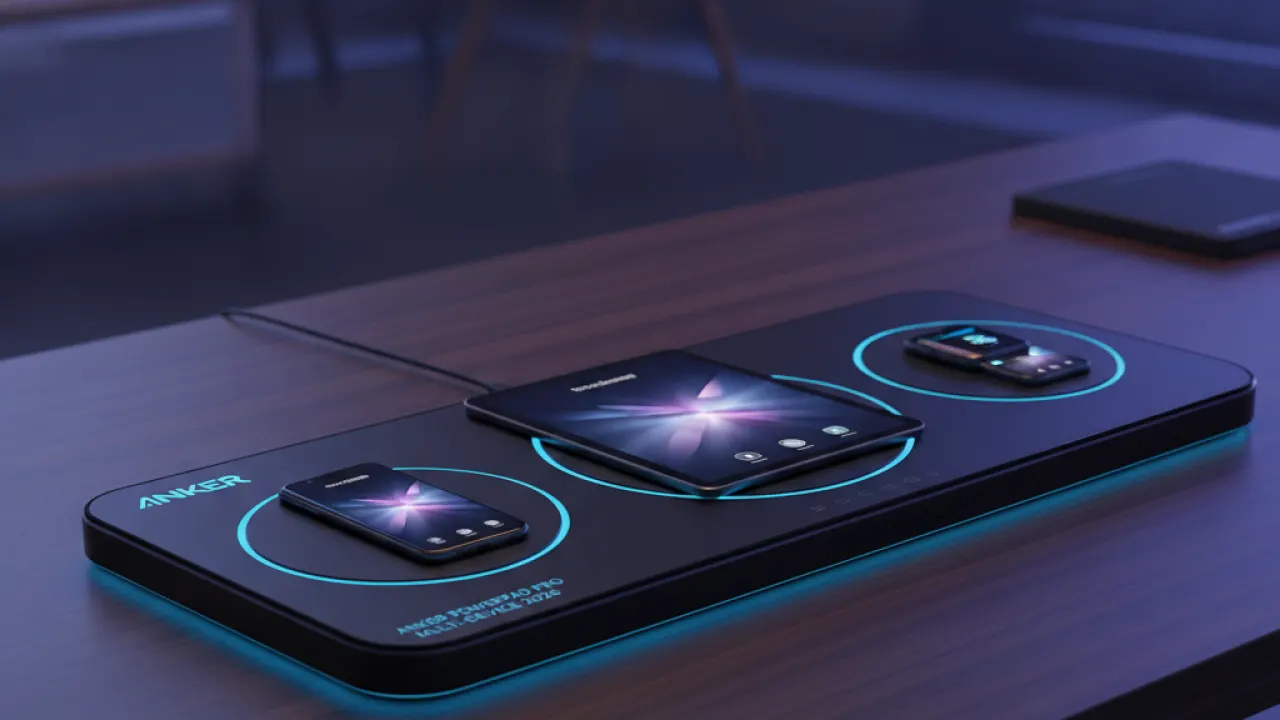
Anker makes the most reliable third-party wireless chargers that handle both iPhone and Samsung well. The Anker 623 MagGo (for MagSafe/iPhone) and Anker 3-in-1 charging station (phone + watch + earbuds simultaneously) are consistently recommended for their build quality and reliability.
The Belkin BOOST Charge Pro 3-in-1 Wireless Charger with MagSafe is another premium option that charges iPhone 16 at full 15W MagSafe speed, Apple Watch, and AirPods simultaneously. At $100-120, it’s expensive but cable-free charging for a complete Apple ecosystem in one pad.
Qi2: The Standard Worth Knowing
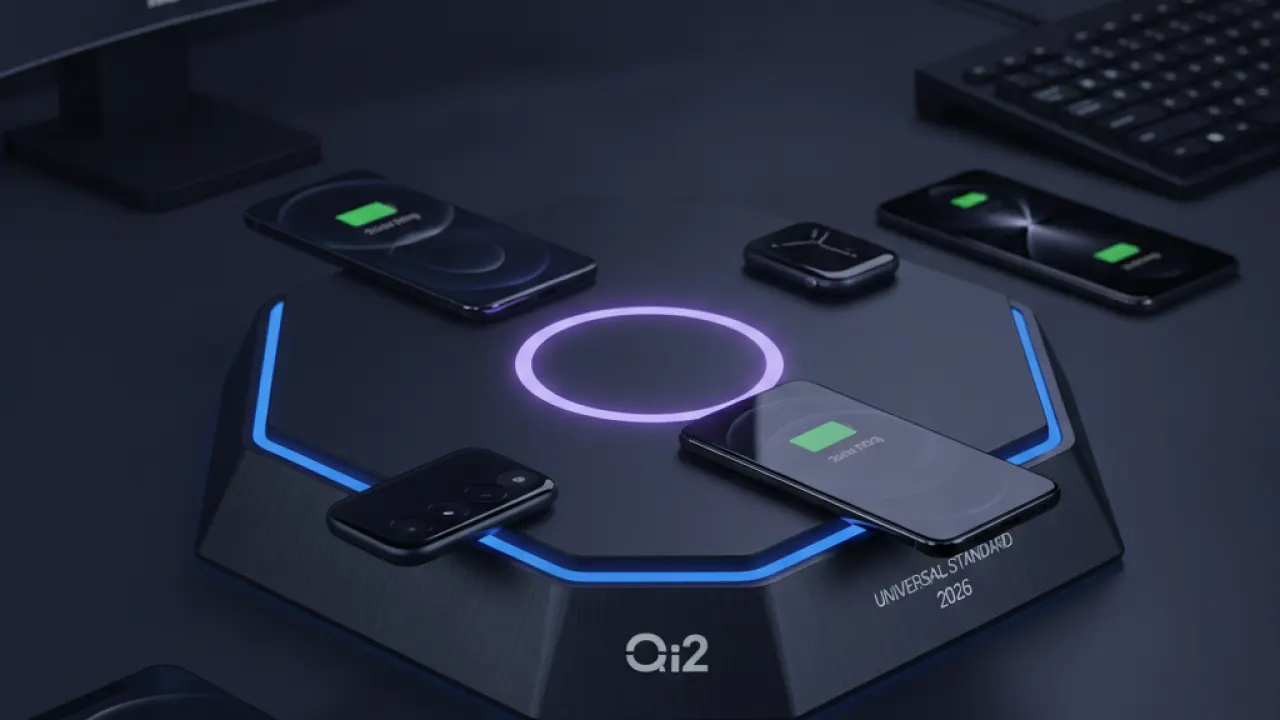
Qi2 launched as a collaborative standard between Apple and the Wireless Power Consortium. Qi2 chargers work at MagSafe speeds (15W) with iPhone 16 using the same magnetic alignment ring, but can also charge Android phones that support Qi2 (Samsung Galaxy S25 and newer). If you have a mixed Apple/Android household, a Qi2 charger works optimally with both current flagships.
Wireless Charging Speed Reality Check
Wireless charging is convenience, not speed. Even the fastest wireless chargers are slower than wired. The right use case for wireless charging is: on your desk during work hours for a continuous top-up, on a bedside table for overnight charging, and in a car mount with wireless charging integrated. For quick charging before you head out, use a wired USB-C cable — it’s significantly faster regardless of the charger you own.
The best wireless charger is the one that’s always in the right place to pick up your phone. A $30 charger that’s always on your desk beats a $100 charger that you leave at home. For more mobile charging, our best power banks guide covers portable power banks for charging on the go without any cables at all.
Which wireless charger setup are you using and does it fit your daily routine? Leave a comment with your phone and charger combination — people optimize this very differently based on where they spend their time.